
Historic England reveals Greater Manchester heritage site is at risk - here's why

Historic England has today revealed its Heritage at Risk Register 2025. The Register gives an annual snapshot of the health of England’s valued historic buildings and places. It helps to ensure they can be protected and continue to be enjoyed in the future.
Heritage plays a vital role in the pride people feel about their local place. It gives meaning to the places where people live, work and spend time, connects us, inspires creativity, and boosts economic growth. When it’s not looked after and used, communities feel a sense of decline.

Historic England works together with partners and communities in inventive ways to breathe new life and hope into places that need it most. We want to see ‘at risk’ historic buildings brought back into productive use so they can be enjoyed by local communities and contribute to the local economy.
Given the environmental impact of demolishing buildings and replacing them, the greenest building is the one that already exists.
Historic England is harnessing the power of heritage for the planet, contributing to achieving net zero carbon emissions by facilitating the adaption and reuse of historic buildings.
Over the past year, 13 historic buildings and sites in the North West have been added to the Register because they are at risk of neglect, decay or inappropriate development.
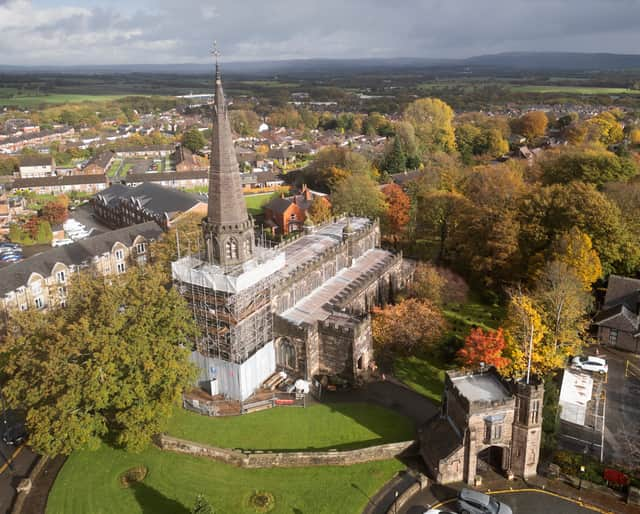
The Church of St Wilfrid located in Standish, Wigan and listed as Grade I has been marked as at risk.
The church has been added to the Heritage at Risk egister following a death watch beetle infestation that has affected its decorative timber ceilings.
This Grade I listed church, dating from the 1580s, represents a rare example of late 16th-century ecclesiastical architecture. The building is particularly significant for its innovative use of Tuscan columns in the nave and chancel arcades, believed to be the earliest application of this classical order in England.
The church features richly moulded roof beams throughout, with the nave displaying tie beams bearing armorial decorations and dates. Notable interior elements include a 17th-century communion rail and an elaborately carved pulpit from 1616.
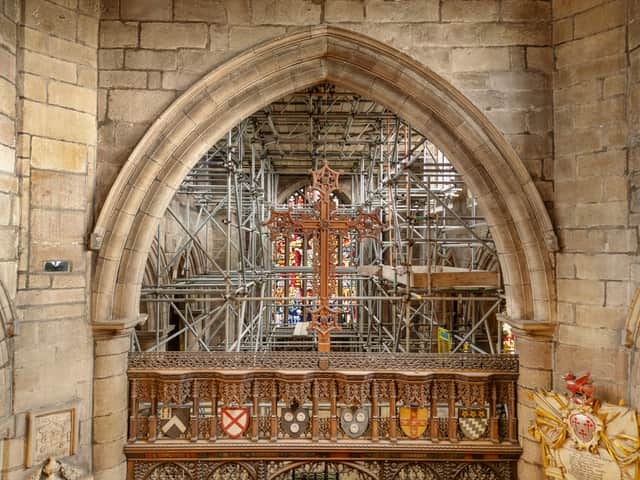
The death watch beetles threaten the building's historic timber features, which are integral to its significance. Urgent conservation measures will be required to preserve this exceptional example of Elizabethan church architecture for future generations.
Claudia Kenyatta CBE and Emma Squire CBE, Co-CEOs of Historic England, said: “The heritage we see all around us impacts how we feel about our local places. The annual Heritage at Risk Register gives us the opportunity to celebrate the many benefits of bringing our historic buildings back into use.
“The best way to protect our buildings is to reuse them, turning them into places of local connection and joy. The sites that have been saved and have come off the Register this year really highlight the benefits of working together in partnership, and with communities, to create positive, sustainable change. Together we can safeguard our heritage for future generations.”
Heritage Minister Baroness Twycross said: “We are determined to protect the heritage at the heart of our communities.
“It is fantastic to see so many historical sites saved for communities up and down the country. These are much loved places and it is great to see them being brought back in to use. This year alone our £15 million Heritage at Risk Capital Fund has been key to saving buildings like these.”