
Manchester families urged to check Music Hub support
Pianist magazine and The European Piano Teachers Association UK say parents should not need insider knowledge to find music lessons, ensembles, bursaries or instrument support
Families across Manchester are being encouraged to check what music support is available locally, after a national evaluation found that most parents still do not know their local Music Hub exists.
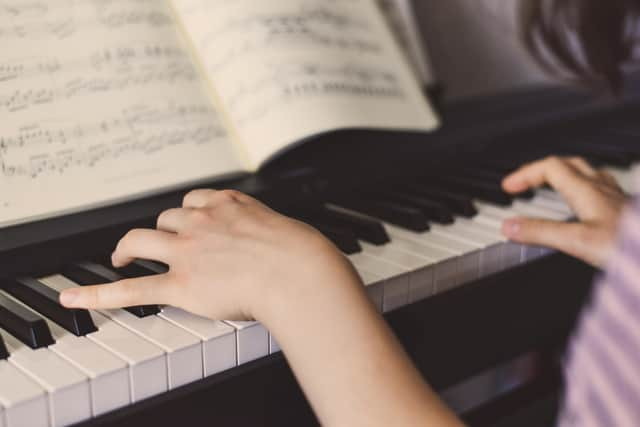

Analysis by Pianist magazine estimates that approximately £1.05bn has been allocated to Music Hubs / Music Education Hubs in England since 2012.
But the Department for Education-backed evaluation of the restructured Music Hubs programme found that only 35% of parents knew about their local Music Hub, while 52% had never heard of one. Among pupils, only 30% knew about their local Hub.
In Greater Manchester, the local Hub is the Greater Manchester and Blackburn with Darwen Music Hub, led by Bolton Music Service. It brings together music services and partners across Bolton, Blackburn with Darwen, Bury, Manchester, Oldham, Rochdale, Salford, Stockport, Tameside, Trafford and Wigan.
The Hub’s parent information signposts families to musical tuition, local ensembles, performance opportunities and support through bursaries and remissions. It says parents can book weekly music lessons by contacting their child’s school to find out which scheme is available, or by signing up directly with their local music service where appropriate.
Pianist magazine says the issue is not whether Music Hubs are doing useful work. They are. The problem is visibility. If families do not know what a Music Hub is, they may not know where to ask about lessons, ensembles, bursaries, instrument support or low-cost routes into learning.
Erica Worth, Editor of Pianist magazine, said: “More than £1bn has helped create a music education network reaching thousands of schools.
“But if most parents do not know their local Music Hub exists, the system is still too difficult to navigate.”
Music Hubs were introduced to help children from all backgrounds learn an instrument, make music with others, learn to sing and progress if they wished.
The scale of the national programme is substantial. In 2023/24, Music Hubs collectively supported more than 20,000 schools, delivered Whole Class Ensemble Teaching to more than 808,000 pupils, facilitated lessons for nearly 482,000 pupils and provided more than 203,000 instrument loans.
In Greater Manchester and Blackburn with Darwen, the Hub’s school offer includes whole-class instrumental teaching, curriculum support, instrumental and vocal teaching with specialist teachers, school choirs and ensembles, local and regional performance events, special projects and music subject networks.
Penelope Roskell, Chair at EPTA UK, said: “Piano teachers see this gap all the time. Children are interested in music, but parents often do not know the next step.
“They may not know whether their school works with a Music Hub, whether instrument loans are available, whether lessons can be subsidised or what local opportunities exist outside the classroom.”
The issue comes as ABRSM’s Making Music 2025 research found that children have not turned away from music. It found that 84% of children say music is important for their mental health and wellbeing, and 69% of children currently or previously played a musical instrument. But the same research found that ages 12 and 15 are key points at which children stop learning instruments, and that 29% of non-learners of music say cost was the main barrier.
Pianist magazine says low awareness of Music Hubs may make cost barriers worse, because parents may not know where to find subsidised lessons, bursaries, group opportunities or instrument support.
Penelope added: “The first step into playing should not depend on whether a parent already understands the music education system.
“For piano in particular, early encouragement matters. A child does not need a grand piano or a perfect routine to begin. They need access, guidance and a way to make small, regular progress.”
Pianist magazine has also made a free piano starter pack available for families and adult beginners who want a practical first step.
Free starter pack: https://mail.pianistmagazine.com/p/73DN-OAK/piano-resources
The magazine says the resources are not intended to replace schools, Music Hubs or teachers. They are meant to help people start, return to the piano or support a child between lessons.
Erica Worth added: “Even ten minutes of regular practice can give a beginner a useful starting point.”