
I was a young carer and afraid to come out – now I support LGBTQ+ youth
A young carer by the age of 12, grieving the death of his brother at 11, and too frightened to tell his family he was gay, Bury-based Liam Swanston spent years putting everyone else first while hiding who he really was
For two years, he secretly attended an LGBTQ+ youth group without telling his family where he was really going. Now 32 and a director at one of Manchester’s leading LGBTQ+ youth charity, he is sharing his story publicly for the first time as part of The Proud Trust's new #DeserveBetter campaign.
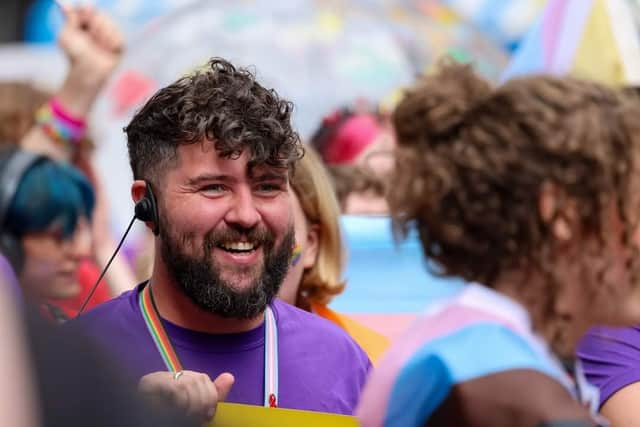

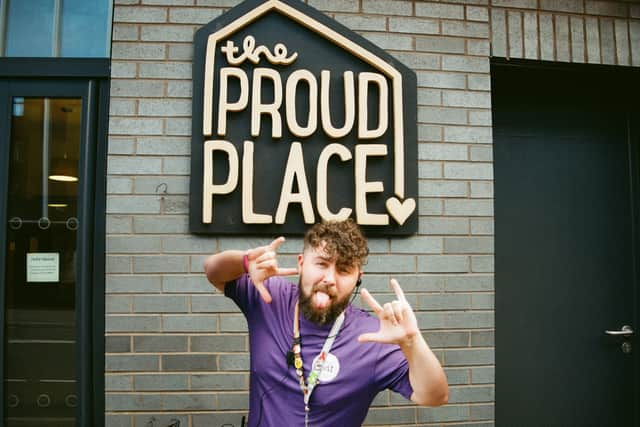
Liam Swanston, 32, from Bury in Greater Manchester, is now Director of Development and Partnerships at Manchester LGBTQ+ youth charity The Proud Trust. But long before joining the charity's senior leadership team, he was a frightened teenager walking into an LGBTQ+ youth group for the first time, unsure whether he would be accepted and still hiding where he was really going from his family.
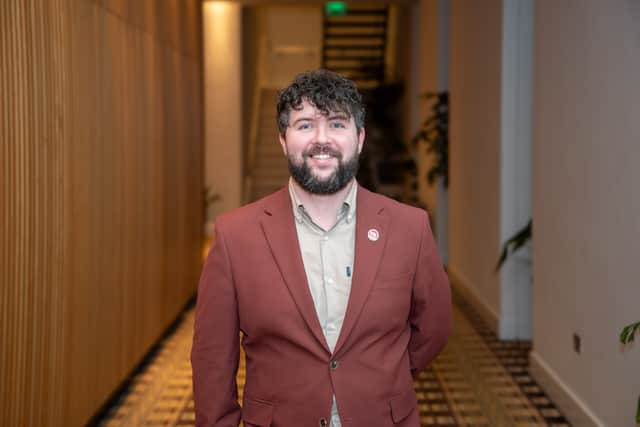
Now, as The Proud Trust launches its new #DeserveBetter campaign, Liam is speaking publicly about the experiences that shaped his childhood, the support that helped him accept who he was, and why safe spaces for LGBTQ+ young people remain just as important today.
Liam grew up in Bury with three brothers in what he describes as a “lads” household. From an early age, he knew he felt different but struggled to understand where he fitted in.
Liam said, “There was always this idea of what it meant to be a ‘lad’. I had three brothers and I was often described as ‘emotional’ or ‘soft’. I knew I didn't quite fit what people expected of me.
“At school, homophobic language was everywhere. People would say ‘that's so gay’ or talk about gay people as disgusting. When you're already trying to work out who you are, hearing that every day creates a huge pressure not to be seen as gay.”
While many children worried about homework or football after school, Liam was helping care for his mother, Jo, who lived with bipolar disorder.
Liam said: “I was always told I was the mature, responsible one, but that was because I had to be, my childhood was shaped by responsibilities most adults would find difficult.
“I was sitting in doctors' appointments with my mum when I was 12, hearing conversations no child should have to hear. I managed medication, advocated for her, and spent much of my time trying to make life easier for everyone else.
“If mum was in a depressive episode, I'd be trying to get her out of bed. If she was in a manic episode, we'd sometimes come home to find she’d stripped the wallpaper from the living room walls. Me and my brothers would head to the shops for wallpaper and paint so we could put everything back together again.
“When you're a young carer, you think about everything through the lens of not making things harder, and that definitely affected coming out. I wasn't just thinking about myself, I was thinking about everybody else too.”
At the same time, Liam was grieving the death of his brother Michael, who was killed in a car crash when Liam was just 11.
Liam said: “I never came out to Michael, so there was always that question of what he would have thought. When you're already carrying grief and family pressures, trying to work out how to tell people you're gay feels even harder.”
Everything changed when, aged 15, Liam discovered an LGBTQ+ youth group in Bury after asking youth workers whether any support existed locally. Walking through its doors for the first time, he says, was one of the most important moments of his life.
Liam said: “Walking through that door changed my life. Until then I'd spent years trying not to look too gay, sound too gay or give anyone a reason to ask questions. Suddenly I was in a room where I didn't have to pretend anymore.
“For two years I told my mum I was going to a youth group, but I didn't tell her it was an LGBTQ+ youth group. I eventually came out when I was 17, just as she was about to leave the house for the evening. Even then, I was trying not to make it into a big dramatic moment.”
Liam had been particularly worried about telling his Irish Catholic grandparents, but says their reaction became one of the moments that stayed with him.
Liam said: “My nana and grandad were basically like, ‘You're still you. Nothing has changed’. That was incredibly reassuring because I'd convinced myself faith and acceptance couldn't exist together, but I learned they could.”
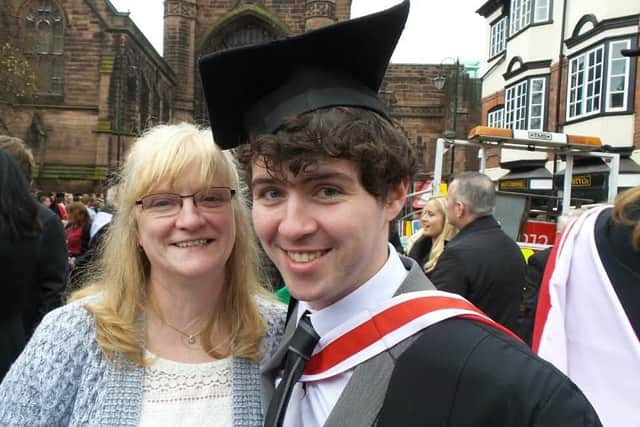
The youth group didn't just help Liam accept his identity, it changed his future. Originally planning to study photojournalism, he was encouraged by youth workers to pursue a career supporting young people instead. He studied youth work at the University of Chester while continuing to live at home so he could help care for his mum, before eventually joining The Proud Trust.
Today, in a full-circle moment, the same Bury LGBTQ+ youth group that helped Liam as a teenager is delivered in partnership with The Proud Trust.
Liam said: “There is something incredibly powerful about knowing the space I walked into as a scared teenager still exists, and that I now get to help protect spaces like that for other young people.
“People might see young people chatting or doing activities, but what they don't always see is that, for some of those young people, it could be the only place all week where they don't have to hide who they are.”
Nearly two decades later, Liam worries too many LGBTQ+ young people are still growing up with the same fear, isolation and uncertainty he experienced. He is sharing his story publicly for the first time as part of The Proud Trust's #DeserveBetter campaign, which highlights the challenges LGBTQ+ young people continue to face and calls for better support, safer spaces and greater understanding throughout the year.
Following the Supreme Court ruling in For Women Scotland Ltd v The Scottish Ministers, The Proud Trust saw referrals rise by 171%, highlighting how quickly national events and public debate can affect young people seeking support.
Liam said: “LGBTQ+ young people are still being spoken about, debated and politicised, but they're not always being listened to, and that has a real impact.
“When I was growing up, the representation I saw often told me to hide who I was. Things are better in some ways now, but too many young people still don't feel safe, accepted or heard.
“Young people deserve better mental health, better education, better healthcare, better opportunities and better futures. Most importantly, they deserve adults and communities that remind them they are not alone.”
Liam believes the support he received as a teenager changed the direction of his entire life.
Liam said: “That youth group didn't just help me come out, it changed the direction of my entire life. It helped me find my voice, understand who I was and build a future I never imagined for myself, and without that support I honestly don't know where I'd be today. Every LGBTQ+ young person deserves that same chance, not just to survive, but to feel safe, celebrated and free to thrive.”
For more information about The Proud Trust, the #DeserveBetter campaign, or to support the charity's work helping LGBTQ+ young people across the UK, visit www.TheProudTrust.org