
The inside story of how Manchester lured Puma – and why it’s now sportswear Mecca

There are some famous Mancunian images forever tied to one brand.
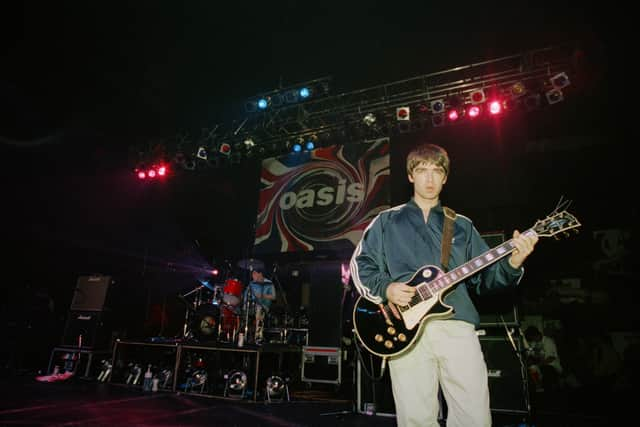
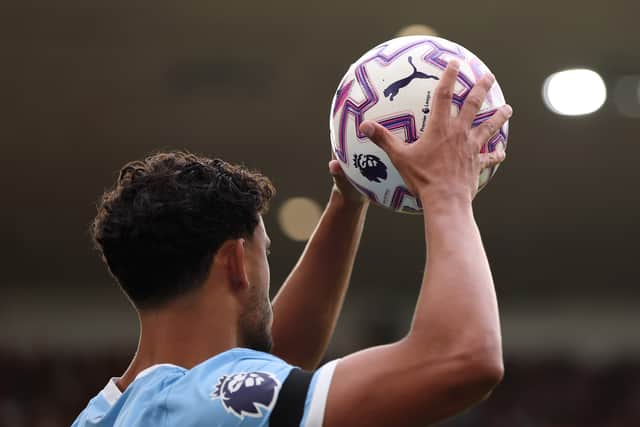
The Gallaghers, moody and confident in Adidas, ‘94. Solskjaer, sliding and smiling in Umbro, ‘99. Rodri, firing home in Istanbul in Puma, ‘23.
Each photo shows a city in its pomp: Liam and Noel were ready to take over the world in that Definitely Maybe photoshoot. Ole knew he’d given United their greatest ever day at the Nou Camp. And Rodri made City history.
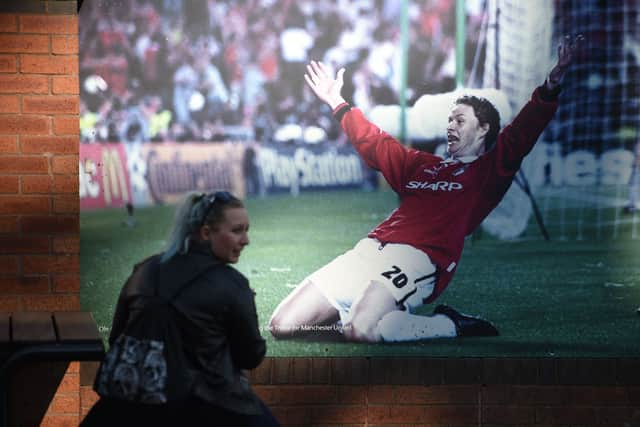

Images like these put brands at the core of a city’s consciousness and fashionability. They’re why major sportswear companies spend billions to get trend-setters wearing their clobber, with Puma’s latest deal with City, signed earlier this year, worth £1b over the next decade.
But something new’s happening in Manchester’s sports fashion world. Major brands are not just spending big to piggyback the city’s urban cool — they’re moving here to live and breathe it.
Although Greater Manchester has a long history of sportswear production, with Reebok forming in Bolton in 1958 and Umbro just over the border in Wilmslow 101 years ago, the recent trend sees these companies move back, and outsiders follow.
Umbro’s now headquartered in the Northern Quarter and Puma moves into a shiny new UK headquarters on Oxford Road this month.
Other recent arrivals include Castore, originally Liverpudlian, the manufacturers of the England rugby union team’s kit. Lifestyle leisure brand Adanola was founded in Manchester in 2015, and new names still pop up, like night-time running brand Solis.
This isn’t down to fortune, though. It’s been a targeted campaign, partially orchestrated by the council, to keep graduates in the city with top jobs, including those from Manchester Met’s prestigious fashion courses, council leader Bev Craig told the Local Democracy Reporting Service.
“There are some [major firms] we actively pursue,” she explained. “There are some we actively encourage, so they’ll come to us and say they’re interested in Manchester.
“We can show them around, we’ll connect them into the right kind of properties and developments. And there are some that come here just because of the broadening of the city that we’ve cultivated.”
Although Puma is moving up from the capital, Coun Craig added ‘the challenge’ is ‘less’ convincing Londoners Manchester is a nice place to live and work. It’s convincing international firms to choose the second city when they’re weighing up ‘Manchester or Lyon, Manchester or Amsterdam, Manchester or Stockholm’.
The Labour leader went on: “There is a job that we have to sell Manchester now is not the Manchester like in 1991 or when watching Oasis the first time. We do have a big job on what modern Manchester does, and we have to sell that really hard.”

Having a cool ‘brand Manchester’ and enterprising council is one thing, but having space for these businesses to work is another. It’s why developers sometimes go after blue-chip names, Bruntwood SciTech’s Josh Whiteley explained.
The man behind Puma’s Circle Square move said: “We’d always targeted Puma because we were aware of their presence in Manchester, and they were aware of the convergence of tech, fashion, and advanced materials.
“When we were initially looking at Circle Square we weren’t sure of the size requirement for Puma because they were in a much smaller amount of space in the city. But as soon as we realised it was a larger requirement… we got in touch directly with Lucinda [Davis, Puma’s UK managing director].
“The pitch was about innovation opportunities but also being able to relocate to a best-in-class workspace, and if you’re relocating the HQ, you want to be in the most vibrant part of the city with best access to talent.”
It took less than two months from first contact with Ms Davis and the two signing a deal in principle, the Puma boss told the LDRS. She said it was an easy decision to make: “The energy and vibe Manchester brings, you can feel it. There’s a lot of creatives in the city.
“But ultimately it’s also about the location and proximity to a lot of our business. A lot of the industry is in this area.”
Manchester’s vibrancy is also encouraging entrepreneurs to shoot their shot and start their own businesses, like Cameron Shahidi.
He and partner Olivia White founded Solis Running earlier this year, spotting a gap in the market with ultra-reflective running gear for long Mancunian nights. He said it was a ‘no brainer’ to set up here.
He explained: “We were never going to go to London. It does not connect to us like Manchester does.
“If brands continue to set-up here, it will continue to push [the idea] people seem to want to do well. There’s a sense, a collective feeling, that we are pushing Manchester forward.”