
All the council tax rises, cuts and changes households across Greater Manchester must expect from April

Residents across Greater Manchester will soon learn how much their council tax will rise by as authorities finalise their budgets.
Councils in the region are close to approving spending plans for the upcoming financial year, with outlooks dramatically different across the city.
While Manchester council is working out how to spend the £94m extra it received from the government, Trafford council is increasing council tax by 7.49pc for the second year running, having previously said it needs a £20m loan to balance its books, or face declaring effective bankruptcy with a section 114 notice.
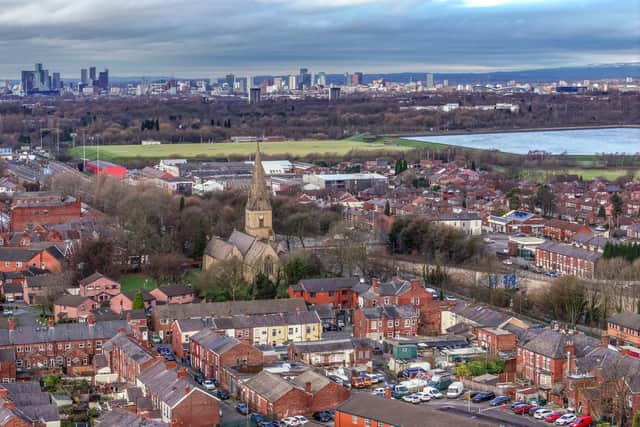

The law requires every council budget to be balanced, so projected spending equals projected income, and is passed by March 11 ahead of the new municipal financial year starting on April 1. As we near D-Day for this year’s budgets, the Local Democracy Reporting Service has rounded up every Greater Manchester authority’s spending plans for 2026/27.
Greater Manchester mayor
One body that has already confirmed its plans is the mayor’s office, the Greater Manchester Combined Authority (GMCA).
Andy Burnham saw his budget approved last week (February 13), featuring a 20pc mayoral tax rise. Leaders approved a 19.4pc precept increase, meaning a typical band D home will pay £25 more next year, from £128.95 annually to £153.95.
The Labour mayor has come under fire for the tax rises from opposition councillors, who pointed out part of the precept paying for his office will increase by 44pc, while the fire service portion will rise by 7pc.
However, Burnham insists a raft of spending measures will ‘significantly enhance the lives of residents’.
Headline policies include lifting the 9:30am old people and disabled bus pass rule, keeping the £2 bus fare cap until the end of 2026, helping drivers upgrade dirty taxis, and rolling out free bus travel to homeless children.
Bolton
Bolton’s 2026/27 budget is set to be agreed at a full council meeting on Wednesday, February 18.
The council agreed a two-year budget in February 2025, which included £7.8m of savings proposals over two years. This year’s budget does not contain any further cuts to spending or services, but will implement a 4.99pc council tax surge.
The proposed one-year 2026/27 plan includes the use of £10.6m of reserves to balance the budget as £30m of savings are hoped for in the three years after this.
The budget report also states that one-off funds have been returned from Greater Manchester Waste, with Bolton to receive £1.35m.
A key council report said: “The overall net impact of the December settlement is an improved funding position from that forecast in the budget report presented to council in February 2025.
“Although this is a welcome development, there remain significant pressures on the council’s finances and a programme of savings and efficiencies measures will be required for future years.”
Bury
Bury council is facing £9.5m of cuts as it tries to balance a £14m budget gap. Around £3m of cuts are linked to ‘workforce transformation’, which includes introducing more AI tools into the council to gradually reduce the amount of time spent on administrative tasks – and ultimately phasing out certain roles. The other largest cut is in children’s social care, with the service hoping to slash £1m by ‘stepping down’ kids from private kids’ homes into more residential settings like foster care.
The council also intends to raise council tax by 4.99pc. The town hall’s finance boss, Coun Sean Thorpe said ‘it’s unfeasible not to‘ due to the way the government allocates funding.
Manchester
After years of making cutbacks, Manchester council is spending more than ever this year. Its budget will pass the £1b mark for the first time after changes to government funding formulas gave the town hall a 24pc boost.
Councillors have pledged to spend the extra £94m ‘on street cleansing, fly tipping, parks, pavements’ and opening ‘eight city libraries on Sundays’ in the coming year, as well as keeping a £15m ‘renewal fund’ to improve physical infrastructure in every ward of the city.
Despite the windfall, council tax will still rise by 4.99pc, a decision Rabnawaz Akbar, executive councillor for finance, defended for being financially prudent last month: “Once you do not raise [council tax by 4.99pc] you lose it forever.
“Last year, 30 councils asked the government for exceptional financial support — 19 had not asked for the maximum allowable council tax from 2016.”
Oldham
Almost 900 service charges and fees are going up at Oldham council to help plug a £20m budget hole for the 2026/27 financial year.
The council has historically kept service charges low, but the borough is now applying an average 10pc price hike to almost all its services, including bin replacements, cemetery costs, marriages, car parks and services including pest control.
The local authority is also raising council tax by the full 4.99pc and slashing £8m from its spending. The cuts include axing up to 13 managerial positions worth around £1.3m and £500k from Mahdlo, a local youth centre.
Rochdale
A 4.99pc council tax rise is set for Rochdale residents, but the local authority will be using reserves to give a discount to every household. The latest meeting of town hall bosses confirmed the plans to raise tax by the maximum threshold.
Rochdale council is planning to provide a two per cent discount on this increase from their own coffers – an estimated average reduction of £41 on residents’ annual bills over the next 12 months. This plan, costing around £3m, means a 2.99pc increase in real terms for residents.
No service cuts have been outlined in the local authority’s plans. Finance bosses have also found savings, meaning they can put £3m back into their finite reserves, which were depleted in recent years.
Salford
Bosses at Salford council said this year will be a ‘no cuts’ budget and outlined a mission of ‘sensible socialism’ for the city.
Council tax is set to rise by 4.99pc, meaning people living in a band D property will pay £102 more over the year. The budget proposals include making ‘savings’ of more than £8m, which has been spread across the council’s adult social care and health services and other departments, along with the town hall having to use more than £26m from its reserves to balance the books.
In terms of new investment into Salford, the council has set aside £91m this year as part of its capital budget, the bulk of which will fund regeneration projects in the city.
Stockport
Stockport council is planning to hike council tax by 4.99pc this year in a budget which includes making savings of £20m.
Proposed changes could also see parking costs go up in the town centre to save £500,000, and potential job cuts to the council’s workforce.
Lib Dem council leader Mark Roberts recently slammed the Labour government over the fair funding review, saying Stockport’s appeal for more financial support has ‘landed on deaf ears’ in Westminster, leaving the borough with a £75m funding gap over the next five years.
He said at a recent cabinet meeting: “We should be under no illusions here in Stockport that some of the difficult decisions that are going to be needed looking to the future are directly as a result of decisions and choices being taken in Westminster, and that focus that there is on London boroughs and the south.”
Tameside
Tameside is planning a council tax increase of 4.99pc in a move bosses say will help maintain essential council services that will not see any cuts, according to budget papers.
Savings of £8.973m have been planned for next year, however, with improved efficiency and lower department costs being found by finance bosses.
However, savings planned in last year’s budget did not materialise entirely. It is estimated that £6m from the local authority’s reserves will be needed to prop up council finances at the end of this financial year due to saving goals not being met.
Trafford
Trafford council needs to take emergency measures to stave off the risk of effective bankruptcy.
Leaders have been given special permission from the government to hike council tax up by 7.49pc for the second year running, making Trafford one of just seven authorities given permission to raise the tax by more than maximum-allowed 4.99pc.
The additional 2.5pc rise is expected to generate £3.5 million for the authority, and means a band D household will pay £1,851 annually, up from the current £1,722. But that’s still not enough to stave off the looming bankruptcy threat.
To help close a £19m black hole, council chiefs have agreed a £12.6m loan with the government. That money is one-off funding, however, and will need to be repaid, with a £27m budget gap predicted for the authority by the end of 2028/29.
‘Substantial savings’ are coming in the next few years as a number of ideas are currently explored, including measures to increase places for looked after children to reduce the number placed in more expensive residential homes and selling off its care home, Our Place, in Sale, alongside the sale of other assets over the coming years.
Wigan
Wigan’s budget report is set to go before the council’s cabinet on Monday, February 23, before being agreed by full council on March 4.
It recommends a council tax rise of 4.99pc as more than £14m of savings are planned to balance the books in 2026/27, including the introduction of AI (£2m) and ‘efficiencies’ (£5m).
“The details within the plans above are designed not only to meet the budget gap, but alongside partnership strategies, will support delivery of the place missions,” a budget report said.
“They are designed to deliver a greater commitment to person centred services by reviewing the resources deployed in our neighbourhoods, and to maximise the many opportunities for efficiency offered by digital and AI.”
The report added that the planned use of reserves in 2026/27 is limited to short-term measures only, with no reliance on reserves to support ongoing or recurrent expenditure.