
“No one believed me” - Manchester woman's story shows why endometriosis can’t keep being ignored

At 16, Sophie Storey’s world began to shrink. Month after month she was doubled over in pain, crying, fainting, begging doctors to help. Each time, they brushed her off: “It’s normal. You’re too young. Period pain is just part of being a woman.”
Now 25 and living in Manchester, Sophie has carried these experiences with her. She learned to expect disbelief. Appointments blurred together; each one ended the same way, with another prescription and another dismissal. By 19, she’d stopped asking for help at all.
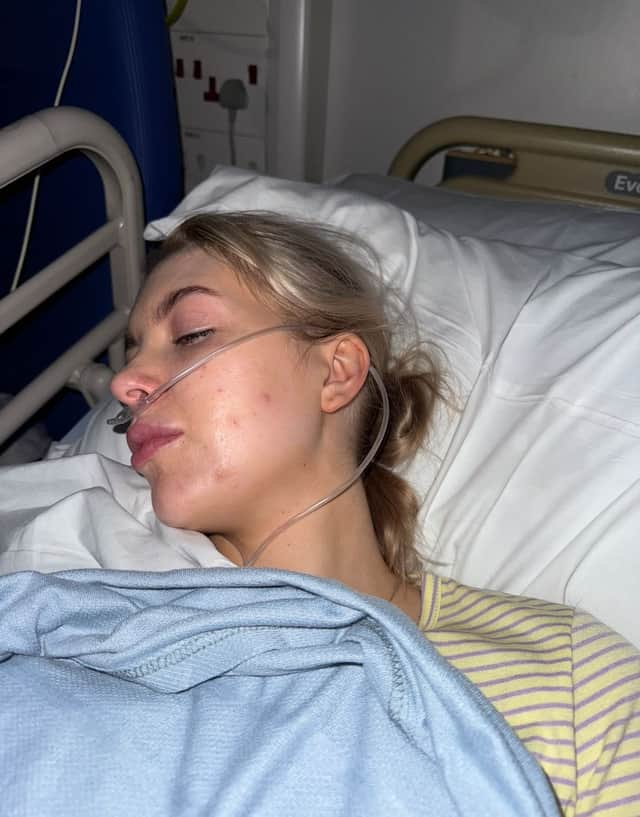

At 20, something changed. A new GP who really listened. For the first time, Sophie wasn’t told to tough it out and was finally referred to a gynaecologist for suspected Endometriosis, a chronic illness where cells, similar to those in the lining of the womb, grow in other parts of the body. But then came the next cruelty: nearly two years on a waiting list. In that time, she was forced to try every contraceptive on the market. Pills, patches, injections. None of them worked. The pain never left.
When Sophie finally had her first surgery in February 2024, she was terrified. But before she went under, the surgeon smirked. “She told me it would only take 30 minutes, because there was nothing wrong with me.” When Sophie woke up, the same surgeon appeared briefly. “She said, ‘I found it, I treated it, take the hormonal pill,’ and walked away.”
Sophie was left in agony every single day, not just during her period. Every day was hard. She was forced to quit the job she loved because her absences were too much. People told her she was exaggerating: “You can’t be in that much pain, there was only a little bit of endo there.” She started to believe she was imagining it, or that she was going crazy.
Doctors reassured her repeatedly that the endo was gone, yet they still put her through a six-month medical menopause — a treatment that was never completed properly. She was supposed to have six injections, one each month, but her doctors refused to give them to her. She only received one, leaving her to deal with side effects like hot sweats, dizziness, and mood swings, on top of the pain.

She was meant to be seen three months after surgery to discuss everything, but she’s still waiting for that follow-up appointment despite repeated attempts. Her pain remains unmanageable, and every month she has to go to hospital just to access the pain medication her GP won’t prescribe in the community.
For nearly a year, Sophie was made to believe the pain was all in her head. Then, an MRI changed everything. It showed her bowel and uterus were fused together, unmistakable proof the disease had been missed all along.
She said: “They gaslit me for a whole year. Everything I’d said was true, and they still didn’t listen.”
By June 2025, Sophie faced another operation. This time, she was warned she might wake up with a stoma bag.
She said: “As a 24-year-old, that broke me. I was so drained from fighting to be believed and now I might lose part of my bowel.” She didn’t, but the battle didn’t end there. She’s still waiting. Still fighting. Still trying to live her life around the pain. “I’ve had to become my own doctor just to survive.”
Countless women are left with irreversible consequences after years of dismissal, including fertility issues, organ damage, even suicide. Sophie doesn’t want that to keep happening.
Now she is speaking up for herself and the 1.5 million women in the UK living with endometriosis. According to Endometriosis UK, the condition costs the economy £8.2 billion annually in treatment, healthcare, and lost productivity, and it still takes over eight years from first GP visit to diagnosis on average.
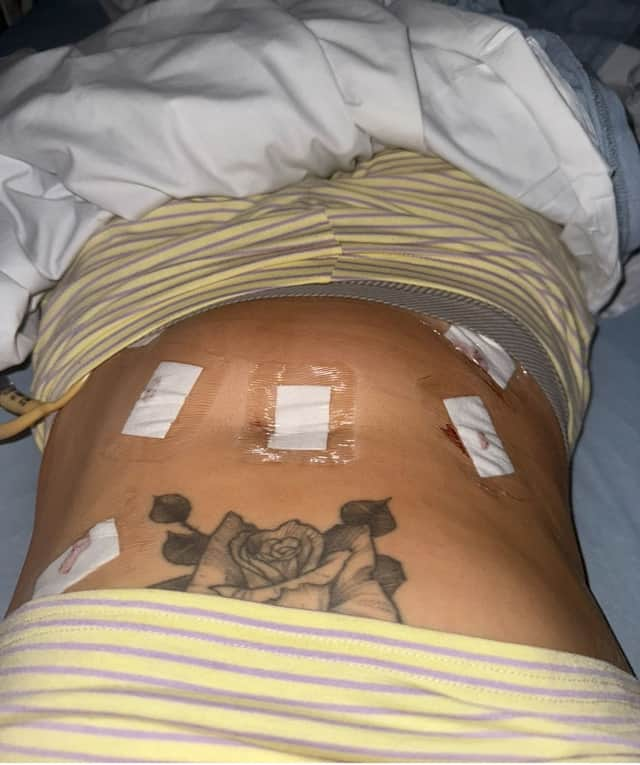
Sophie supports the call for a National Endometriosis Registry to track diagnoses, surgeries, and outcomes so women don’t fall through the cracks.
She said: “It takes an average of nine years to be diagnosed. That’s nine years of pain, damage, and being told it’s all in your head. A registry could change that.”
Jessica, who started the petition for the registry, says Sophie’s story shows exactly why change can’t wait.
Jessica said: "Unfortunately, Sophie’s experience isn’t rare, it’s happening to women across the country. A national registry would hold the NHS accountable and make sure these stories aren’t ignored, hidden, or repeated.”
Sophie’s final message is one the government can’t ignore: “Endometriosis isn’t a period problem. It’s a disease that destroys lives. We’re told to take a pill and stay quiet. But how can we stay quiet when the pain feels like labour every single month? Something has to change. And a national registry is where that change begins.”
To read and sign the petition, visit: petition.parliament.uk/petitions/736164