
"I can’t function properly" – Salford woman's fight for UK endometriosis registry

Nikkita Harvey, 23, from Leicester and now living in Salford, has lived with severe, debilitating pain from endometriosis since she was 15.
“There were times it was so painful I would throw up,” she says. “It got worse after I was put on the hormonal implant. My GP tried me on different pills, but none of them helped like they said they would.”


Endometriosis affects around 1 in 10 women and people assigned female at birth in the UK. Tissue similar to the womb lining grows elsewhere in the body, causing chronic pain, heavy bleeding, fatigue, and sometimes infertility. Yet despite its prevalence, diagnosis still takes an average of eight years, and treatment options are often inconsistent.
Nikkita’s diagnosis came only after surgery in March 2025. “I cried. It was a relief to know I wasn’t crazy, but I also felt sad knowing I’d continue to be in pain for the rest of my life,” she says.
Since her diagnosis, endometriosis has affected almost every aspect of Nikkita’s life. Her condition has forced her to change jobs multiple times because long periods of standing are impossible.
She currently works in a role that allows her to manage flare-ups. “My employers have been really accommodating. On days I have really bad flare-ups, I’m allowed to work from home, which is incredibly helpful,” she explains.
At home, she relies on her personal support network. “I live with my boyfriend and my best friend, and they do so much to help me. Sometimes it does put a bit of strain on our relationship, but I try to give back where I can,” she says. “My friends often check in to see if I need anything, which really helps.”
Her family has also become more understanding. “My family used to think I was lazy. Since my diagnosis, they’ve read up on the condition and sympathise a lot more now,” Nikkita says.
Perhaps the hardest part has been the way doctors handle her care. “They don’t try to understand or listen. They just tell me to go on birth control, as if that’s the answer to everything,” she says. “I feel like I’ve been gaslit into doubting myself. It makes you feel helpless.”
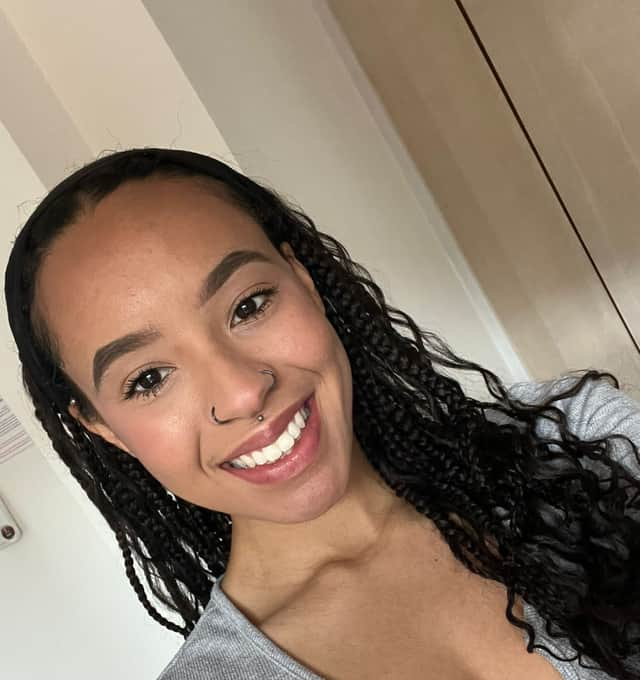
Earlier this year, Nikkita suffered a miscarriage, deepening her fears about fertility.
“I’m only 23 and I already worry about whether I’ll be able to have children one day,” she says. “No one should have to go through that.”
Because of experiences like hers, campaigners are calling for a National Endometriosis Registry, a central database tracking diagnosis, treatment, and outcomes across the UK. Such a registry would provide clarity on care pathways, highlight gaps in treatment, and ensure patients are taken seriously.
“I definitely think this needs to be done so we can get proper care and recognition,” Nikkita says. “It’s not fair that so many people are going through this.”
Other countries have shown the impact. Australia’s National Endometriosis Clinical and Scientific Trials (NECST) Registry has helped drive earlier diagnosis, better research, and consistent treatment pathways nationwide, something campaigners say is urgently needed in the UK.
Jessica Smith, health campaigner behind the petition for a UK registry, adds: “Nikkita’s story is heartbreakingly familiar. Without proper data, women are left fighting the same battles repeatedly. A national registry would give us the evidence we need to improve treatments, hold services accountable, and finally ensure patients are believed.”
Nikkita hopes sharing her story will help raise awareness and spark change. “I hate that other people have to go through this. I just want something that helps, for everyone.”
You can sign the petition for a National Endometriosis Registry here: