
Having been through cancer myself, I see how critical it is that no one misses a chance to save their life

A new £1.3 million research project in Manchester aims to address major health inequalities by improving early lung cancer detection for people with severe mental illness and intellectual disabilities.
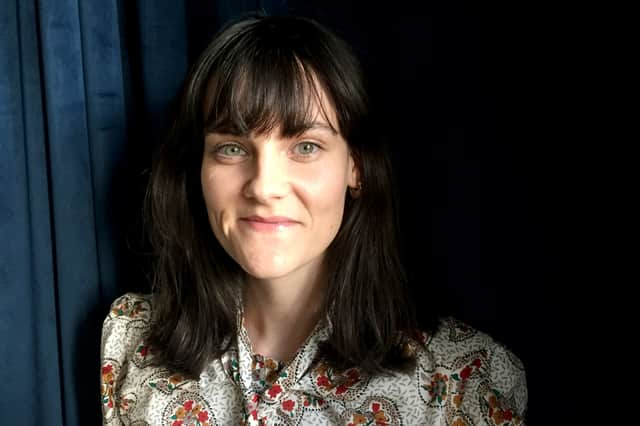
The six-year study, funded by Cancer Research UK, is supported by lung cancer survivor Julie Colville, 70, from Withington. Julie spent 25 years working in mental health services across Greater Manchester before retiring.
Soon after, a persistent cough led to tests that revealed a mass on her right lung. She underwent chemotherapy and radiotherapy and is now marking ten years cancer free. Julie is backing the research, as well as a wider drive from Cancer Research UK to help fund further advances.
“Throughout my career, I worked with people who often struggled to get the same healthcare as others due to their complex needs,” she said. “Having been through cancer myself, I see just how critical it is that no one misses out on a chance that could save their life.
“I hope this work this will bring equality for people who can’t always access health checks in the same way as the general population. The reasons for this are many and complex. We just want to see changes that mean no one is left behind because of their mental health or intellectual status.
“Everyone deserves the same chance to get equal access to assessment to receive timely diagnoses and treatment in order to have a fair chance of surviving cancer.”

Lung cancer remains the most common cause of cancer death in the UK. People with severe mental illness or intellectual disabilities die 15 to 20 years earlier on average and face higher lung cancer mortality, often due to late diagnosis, difficulties accessing healthcare and the effects of stigma. Researchers say there is an urgent need to reduce these disparities.
The study, led by Dr Lorna McWilliams at The University of Manchester, focuses on improving access to England’s national lung cancer screening programme. Her team will work with people affected by mental illness and intellectual disabilities, as well as carers, clinicians and policymakers, to co-design practical measures.
These could include clearer information, support to help people make informed choices about screening and approaches to reduce anxiety around investigations and treatment. The project will also analyse screening data from nearly 200,000 people to identify who is being invited, who attends and who benefits, mapping inequalities and generating recommendations intended to influence national policy.
Dr McWilliams said: “There is an urgent need to address inequities in lung cancer screening. Our aim is that by the end of the project, co-designed interventions will be ready to implement nationally, ensuring people with learning disabilities and mental illness are supported to take part in screening and fully included in decisions about their care.
“Early detection must be available to everyone, no matter their circumstances.”
According to recent figures, an estimated 865,000 new cancer cases are expected to be diagnosed in the North West over the next 15 years. By 2040, projections indicate one person in the UK will be diagnosed every two minutes; in the 1970s it was every four minutes.
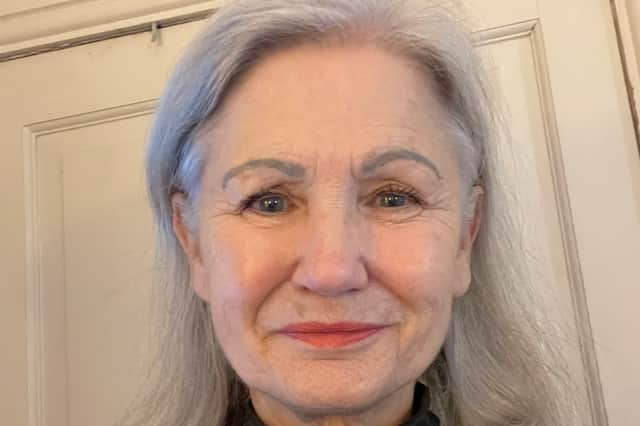
Julie said: “The statistics say it all and that’s why we must act now. Cancer Research UK has given hope to thousands of people like me. But advances in research wouldn’t be possible without vital funds to keep the charity’s scientists working towards more ‘Eureka!’ moments. So, I hope people across Manchester will give what they can. To save lives tomorrow, Cancer Research UK needs our support today.”
Cancer Research UK says the generosity of supporters has helped double UK cancer survival over the past 50 years. The charity’s North West spokesperson, Jemma Humphreys, said: “Pioneering research like this is helping to change the future for people affected by cancer.
“But with an ageing population, and cancer cases on the rise, the need to accelerate progress is clear. With new technologies opening doors to new discoveries, we’re living in a golden age of research. But with nearly 1 in 2 people set to be diagnosed with cancer in their lifetime, there’s so much more to do.
“Cancer Research UK is the world’s largest charitable funder of cancer research. More support right now could fuel faster progress than ever before and help more people live longer, better lives free from the fear of cancer. Together, we can power the next wave of breakthroughs.”
Donate monthly at cruk.org/breakthroughs.