
New year, new skills: set your child up for success with these five coding resolutions
As the calendar flips to a new year, many parents are thinking about resolutions – not just for themselves but for their children too.
While typical goals like eating healthier or spending less time on screens are common, what if this year’s resolution could give your child a head start in skills that will shape their future – not just in 2025 but for years to come?
By setting meaningful learning goals and incorporating coding into your child’s year, you can unlock their potential and watch them grow in unexpected ways. Here, Bill Marsland, Director of Education at Code Ninjas, shares how you can make it happen.
Why coding matters
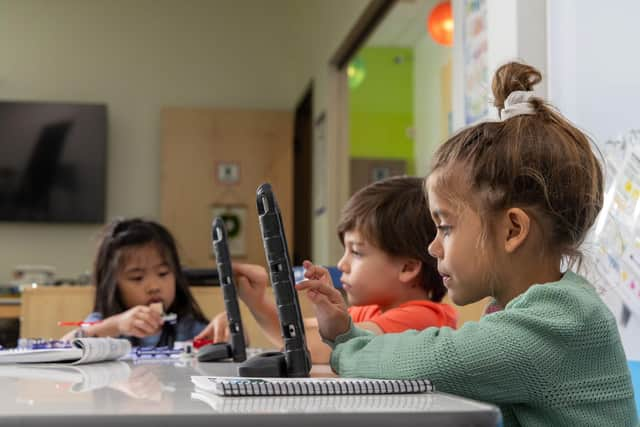

In today’s world, technology is everywhere. Yet coding isn’t just about preparing kids for a tech-driven future – it’s about teaching them how to think. When kids learn to code, they’re learning how to analyse problems, develop creative solutions and persist through challenges when things don’t go as planned. This process fosters resilience, logical thinking and confidence, equipping them to tackle challenges in any area of life.
What’s more, the rapid rise of artificial intelligence (AI) has only solidified the need for coding as an essential skill. From apps to algorithms, understanding the foundations of coding empowers kids to become not just users of technology but creators of it. By learning to code, children can actively shape the future rather than passively adapting to it – a vital advantage in an increasingly AI-driven world.
Coding also provides a creative outlet. It allows kids to take their big ideas and transform them into something tangible, whether it’s a game, app or animation. This unique blend of creativity and critical thinking gives children a sense of accomplishment as they bring their projects to life.
Start with their interests and big dreams
The first step in setting meaningful learning goals is understanding what excites your child. Spend time talking about their hobbies, passions and the things they’d love to achieve. Do they dream of designing a video game, creating an animated story or building an app to solve a real-world problem? These conversations not only help you identify their goals but also show your child that you’re invested in their interests. Once their dreams are clear, you can guide them toward achievable milestones that turn big ideas into reality.
Break big goals into smaller steps
Big dreams can feel overwhelming without a clear plan, so help your child break their goals into smaller, manageable steps. For instance, if they want to design a game, they could begin by learning basic programming concepts like loops and variables. From there, they can move on to designing characters, creating animations and building more complex levels. By focusing on one step at a time, your child will see their progress, building motivation and confidence without feeling discouraged.
Make coding personal and relevant
To keep your child engaged, connect their coding projects to their personal interests. A child fascinated by animals might enjoy designing a virtual pet or creating an app that teaches users about endangered species. A sports enthusiast could build a program to track stats for their favourite team. When coding feels personal and relevant, it becomes an exciting adventure rather than just another skill to learn.
Focus on progress, not perfection
Coding, like any new skill, involves trial and error. It’s important to teach your child that mistakes are valuable opportunities to learn. Celebrate milestones like writing their first successful program, debugging a tricky error or completing a project. Focusing on progress rather than perfection helps your child develop resilience and confidence – qualities that will serve them well, not only in coding but in all areas of life.
Encourage collaboration and hands-on learning
Coding doesn’t have to be a solitary activity. Joining a coding club, like Code Ninjas, provides opportunities to share ideas and work on projects as part of a team. Collaboration teaches valuable communication skills and shows kids how to solve problems collectively. Additionally, balance screen-based activities with hands-on ones, such as coding puzzles, logic-based board games or sketching app ideas. This variety reinforces key concepts in a fresh, engaging way.
A great place to start
For families wanting to introduce coding in a fun, engaging way, Code Ninjas offers the perfect solution. Through interactive projects and hands-on learning, children aged 5 to 14 can explore coding at their own pace with guidance from experienced instructors.
The best part? Kids can start at any time of the year at Code Ninjas. Trying out these resolutions now could be the perfect way to see if coding is the right fit for your child. It’s never too late – or too early – to begin their coding journey.
To find out more about Code Ninjas, visit www.codeninjas.co.uk