
Oldham’s Mark Ashton remembered at event to mark 1984-85 miners strike support group that ‘kept people fed’

The longest trade union strike in UK history took place 40 years ago
The 1984-85 Miners’ Strike saw thousands of miners on the picket lines for almost a full year, and during this time support groups were created to care for the miners and their families during what turned out to be a bitter dispute.
One such group was the Lesbians and Gays Support The Miners, or LGSM for short. The group has a Greater Manchester influence, and the group and its work supporting South Wales miners was portrayed in the 2014 film ‘Pride’.
A special event is taking place at Manchester’s Peoples History Museum on Thursday February 27 marking 40 years of LGSM. Artefacts and memories of the group will be shared at the event, as will reflections on the year long event.
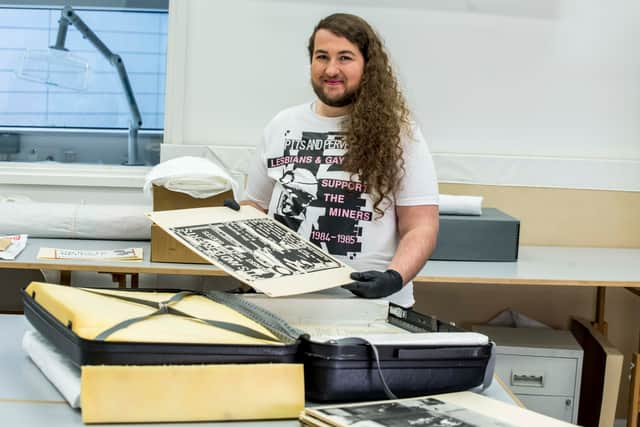

Museum Collections Assistant Jamie Starr spoke to ManchesterWorld about the event. They also outlined the significance that Greater Manchester played in creating the group that helped support striking miners in 1984-85.
“Two of the organisers of LGSM were born and raised in the North West,” Jaime said.
“Mark Ashton was born in Oldham, and Mike Jackson is Accrington. We’ve got local connections and also a Manchester branch of LGSM People mostly know about the London branch, but Manchester had a branch and fundraiser events were carried out here. In the archives there are mentions of the money raised through the Manchester branch.
“The money was used for significant project work, and this branch also resurrected during the 1992 miners strike. We’ve got one of the banners from this strike on display and it's brilliant- its hot pink. We’ve got some great footage of it being used at the Hacienda during that strike.”
‘Pride’ is a film that brilliantly portrays the story of solidarity of the LGSM and South Wales miners, and Jamie said it had a lasting impact on new audiences finding out about the group.
“The film brought the story to a significantly larger audience. When you mention the LGSM to people they mention ‘oh the film?’ and it has brought it to people who weren’t even around during the strike.
“There is a really lovely story of one of the actresses from the film came home and told her dad that she’d been picked to be in the film and it turned out he was from the part of Wales that LGSM supported and he said ‘oh yes we love them’ and he told her these amazing stories. There was never any shame in the LGSM support in the area, it was local history. The film also helped to create more of a feeling of solidarity, which is promoted at the event at the museum.”
Mark Ashton and Mike Jackson attended a talk by a striking miner, and it is this that is said to have kick-started the desire to create LGSM.
“A lot of the early minutes and references talk about this miners talk as a catalyst. It was a national story, people knew it was happening as it was affecting communities across the community. It would have been on Mark Ashton’s radar anyway, but the critical thing was funding out what it was doing to local communities, and that striking miners and their families were being starved back to work.
“When Mark writes and talks about the strike and LGSM, he was asked ‘why does the gay community care’ and he responded by saying miners dig coal that powers our homes and clubs. He talks about the solidarity aspect and how the miners impact everyone's lives. The first meetings take place in his flat and it is his contacts that are used for the early movement.”
The event at the museum on February 27 will take inspiration from one carried out by the LGSM. Jamie talked about what people attending the event can expect- including the chance to talk to original group members.
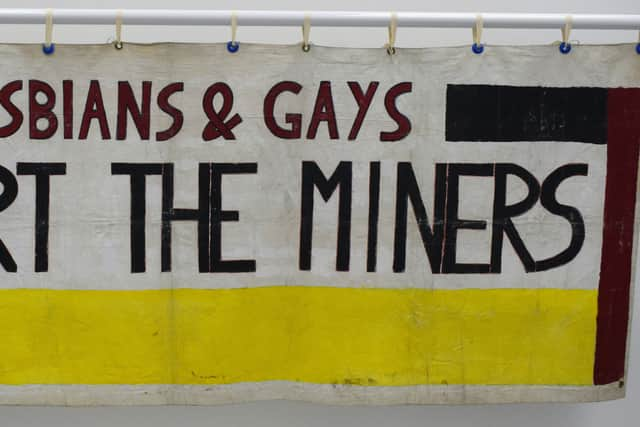
“LGSM did a travelling exhibition that went around to trade halls and miners halls and we will be portraying the exhibition in this same way. There is also a replica banner from the film ‘Pride’ which is on display and also the Manchester LGSM banner. We’ve also got the original LGSM banner in our main gallery, and this is displayed to see both sides- Mark Ashton did lots of drawings on the back of it.
“Mike Jackson and Jonathan Blake, two of the original members, will be interviewed and there will also be the opportunity for an audience Q&A so people can ask their burning questions. We’re appealing to a wide audience with this.”
The strike dragged on for a year and during this time, communities needed support. The Manchester LGSM and the wider organisation and other support groups kept people going through some tough times.
Jaime said: “It’s impossible to underestimate how important these solidarity campaigns such as LGSM, lesbians against pit closures and women against pit closures had. They kept people fed, on the picket line, and kids in the same home when their parents were being starved back to work. There would have been a huge loss of morale and people would have gone back sooner.
“Arthur Scargill said that if not for women the strike would have ended a lot sooner, and I think that is true of community solidarity groups too.”