
Flushed period products clogging Manchester sewers and polluting local rivers

Manchester’s sewers are under growing strain as flushed period products clog pipes and pollute local waterways. With untreated waste spilling into the Manchester Ship Canal and local rivers, unflushable waste in the Northwest is becoming an environmental crisis costing millions each year.
That’s why, for World Toilet Day this Wednesday, 19th November, creators of the first fully flushable and biodegradable period pad FLUUS, are spearheading an awareness initiative to tackle one of the city’s biggest pollution issues.
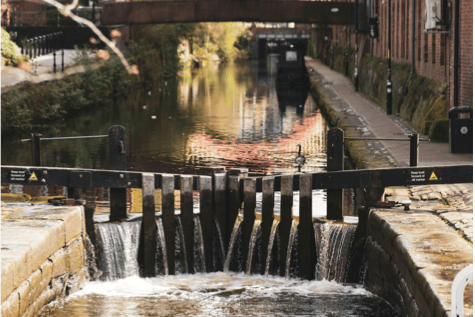

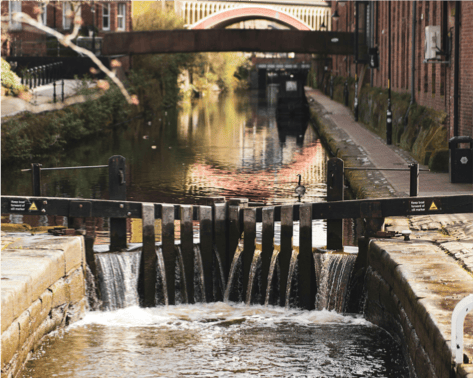
The vast sewer network of the Northwest, which processes over 1.27 billion litres of wastewater every day is under immense pressure. Habits such as flushing pads, tampons, and liners are a major part of the problem, with an estimated 148 tonnes of period products flushed into Greater Manchester’s sewers each year.
Dr Olivia Ahn, co-founder of FLUUS, said: “Manchester’s waterways are at the heart of the city’s identity but under threat from the hidden waste we flush at home. Even the most advanced infrastructure can’t compensate for the damage caused by products that were never designed to break down. By choosing flushable, biodegradable alternatives, we can make small but significant changes that help protect our environment.”
The hidden cost of flushable waste
The story beneath Manchester’s streets reflects a severe national crisis driven by confusion over product disposal. Across the UK, an estimated 1.5 - 2 billion menstrual items are flushed down the toilet annually, with 4.5 million period products making their way into sewers every single day.
United Utilities data confirms the severity of the challenge across the Northwest revealing that:
- Over 14,000 blockages were cleared between April and October 2025 with more than 60% of that caused by unflushable waste
- Of the 2,100 tonnes of sewer litter removed in that period, over 40% were made up of wet wipes and period products
- Flushed wipes and period products were responsible for at least 10,000 blockages across the region last year
Other studies also found that:
- 28,000 tonnes of period product waste is created in the UK every single year.
- 3,300 tonnes of this waste is lost directly into the environment
- The current disposable methods create 12,800 tonnes of CO₂ equivalent pollution every year.
Empowering consumers with a safe alternative
Founded by NHS-trained doctor Dr Olivia Ahn, Fluus developed the first fully flushable and biodegradable period pad, designed to safely break down in water, leaving zero microplastics and zero landfill waste. The pads offer the same comfort and performance as traditional products, while making it simple for consumers to do the right thing for both their bodies and the environment.
Dr. Ahn adds: “Our goal this World Toilet Day is to raise awareness of a significant pollution problem we need to fix at the source. Most people want to do the right thing but aren’t always given the tools or information to make better choices. We created FLUUS to make it simple so no one should have to compromise on comfort or convenience to do what’s right.”