
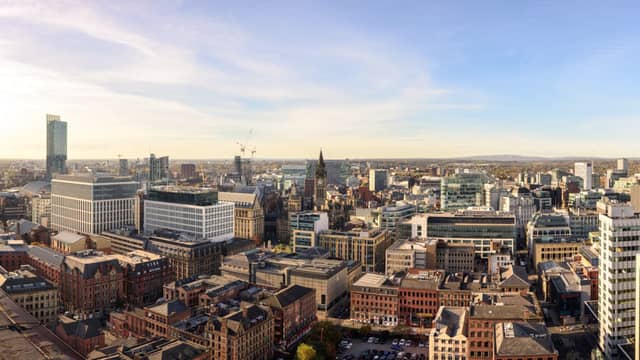


Manchester has seen some remarkable success stories as far as reducing deprivation in the decades between the most recent two Census surveys, official data shows.
We’ve looked at the most up-and-coming areas where households have moved out of any of the official measures of deprivation between 2011 and 2021. And it shows that some of Manchester’s neigbourhoods have seen among the biggest improvements for this of any across England, with four areas among the England-wide top 10.
There are lots of possible ways to measure household deprivation, and the method used by the Office for National Statistics doesn’t take income into account. Instead, it looks at four different measures: unemployment, low qualification levels, poor health and bad housing.
The census also divides England and Wales into more than 7,000 smaller areas of between 5,000 and 15,000 residents, called middle-layer super output areas. For each of these areas, it publishes how many households were deprived in at least one of its four measures.
Across England and Wales as a whole, more than half of households (52%) were deprived in at least one of these four possible ways when the census took place in 2021 - that’s 12.8 million households. But this is a fall from the decade before, when the figure was 58%.
And even across Manchester there are still many people struggling to thrive, with some of the biggest improvements coming in areas where there was widespread deprivation in 2011 and a decade later more than half of households were still classed as deprived according to at least one of the four measures.
Here are the areas of 10 Manchester where the proportion of deprived households fell the most between 2011 and 2021.
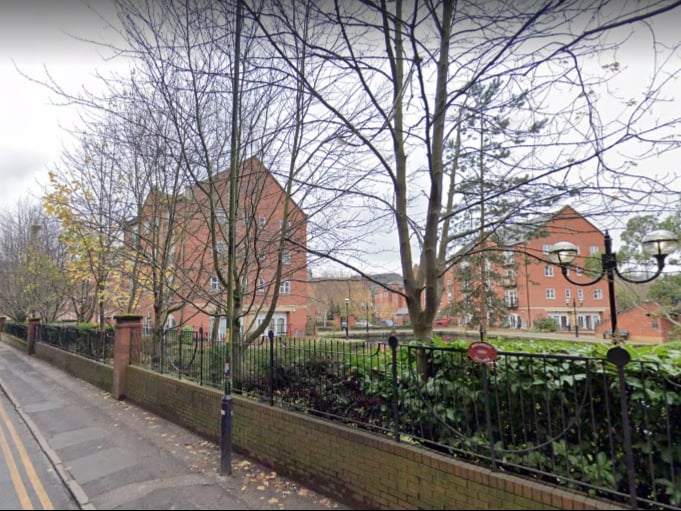
1. Piccadilly and Ancoats
The proportion of households in Piccadilly and Ancoats that were not deprived rose from 36.6% to 65.2% between 2011 and 2021, the third-biggest increase of any neighbourhood in England. Photo: Google Maps Photo: Google Maps
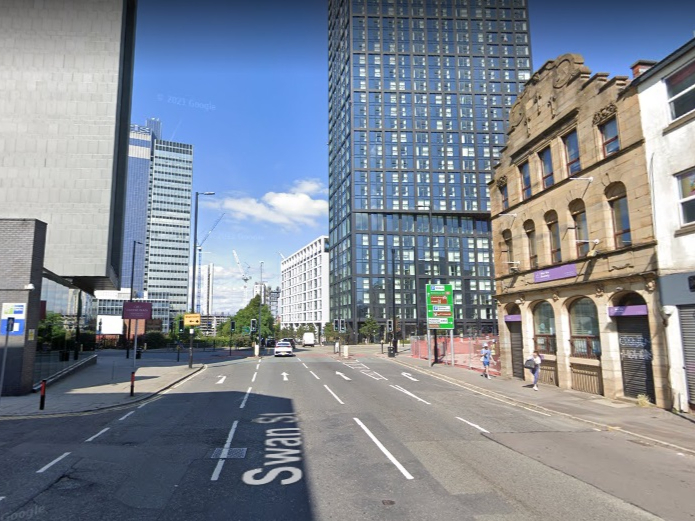
2. City Centre North and Collyhurst
City Centre North and Collyhurst saw the proportion of households that were not deprived rise from 31.4% in 2011 to 57.9% in 2021, making it England’s fifth most improved neighbourhood in that time. Photo: Google Maps Photo: Google Maps
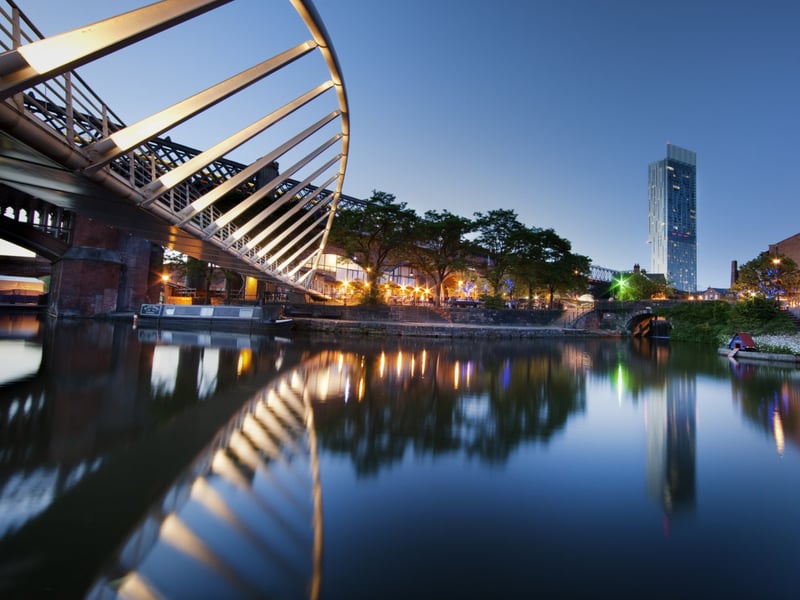
3. Castlefield and Deansgate
Castlefield and Deansgate is England’s seventh most improved neighbourhood, with 72.9% of households not suffering deprivation in 2021 compared to 47.3% a decade before. Photo: Marketing Manchester Photo: Marketing Manchester
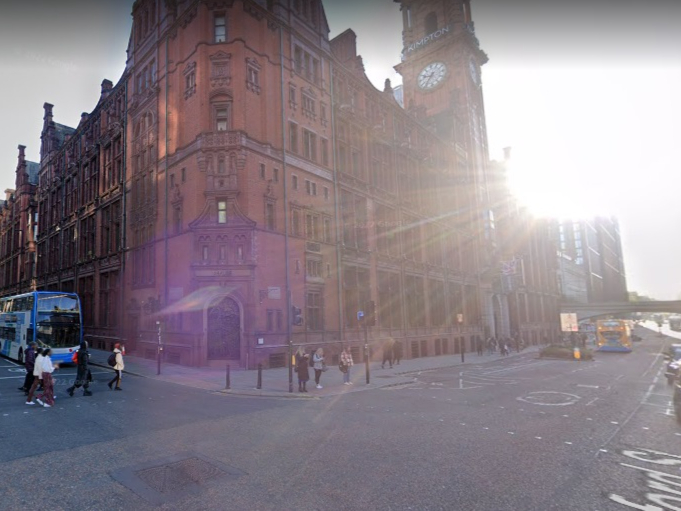
4. University North and Whitworth Street
In University North and Whitworth Street 60.8% of households were not suffering any form of deprivation in 2021, a rise from 37% in 2011. Photo: Google Maps Photo: Google Maps