
Why Manchester families should visit Auschwitz Memorial

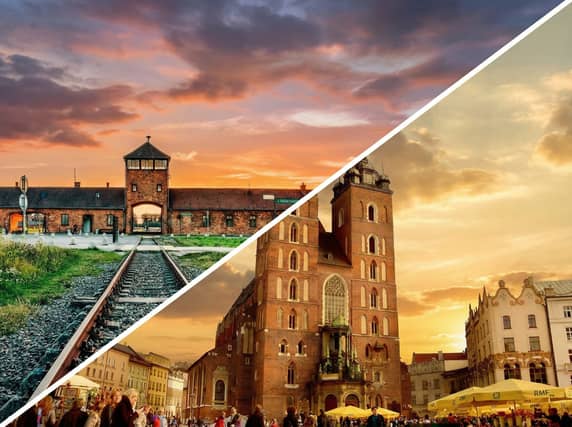

Families have a unique opportunity to connect with one of history's most profound lessons.
This journey isn't just about understanding the past - it's about equipping your children with empathy, critical thinking skills, and moral courage for the future. When you stand where history's darkest chapter unfolded, the lessons become real in ways that textbooks simply cannot replicate. For Manchester families, this transformative experience is more accessible than you might think, offering powerful educational value that resonates across all cultural backgrounds.
The educational imperative
Within the next decade, we'll lose the last voices who can say "I was there." This makes the physical sites of remembrance - particularly Auschwitz-Birkenau - increasingly vital as tangible evidence of what happened. When you take your family to Auschwitz, you're not just learning history. You're actively combating ignorance and ensuring these crimes are never forgotten or denied.
Can a classroom truly capture the weight of standing before the gates of Auschwitz? Can a documentary convey the silence that falls over visitors at Birkenau's vast expanse?
Experiential education creates neural connections that passive learning cannot match. When your teenager walks through the barracks, sees the photographs of victims, and comprehends the industrial scale of the genocide, their brain processes this information differently than reading about it. The emotional engagement transforms abstract statistics into human stories.
Research in educational psychology confirms that visiting authentic historical sites produces deeper comprehension and longer-lasting impact. Your children will remember this experience decades later - not just the facts, but how it made them feel and what it taught them about humanity.
Preparing for the visit
Most educators and the memorial itself recommend visits for children aged 11 and older. At this age, young people can grasp the historical context and process the emotional weight appropriately.
Before you go, have honest conversations with your children about what they'll see. Use age-appropriate books and resources to provide context. Explain that while the experience will be difficult, it's important. Emphasize that they can ask questions, express their feelings, and take breaks if needed.
The memorial offers educational materials tailored to different age groups, helping you prepare your family for this significant journey.
Planning your travel
Travelling from Manchester to the Auschwitz Memorial is straightforward. Manchester Airport offers multiple flight options to Kraków, including direct flights with major carriers. The journey typically takes around 2.5 hours in the air.
Once in Kraków, the memorial site is approximately 70 kilometres west, in Oświęcim. You have two main options: joining an organized tour or travelling independently. Many Manchester families find organized educational tours valuable because they handle logistics and provide expert historical context throughout the journey.
Plan to spend at least one full day at the memorial. Many families allocate 2-3 days total for the trip, allowing time to explore Kraków's historic Jewish Quarter (Kazimierz) and process the experience without rushing.
The memorial itself offers free entry, though tipping your guide is customary and appreciated. If you book through organized tour operators like KrakowDirect packages often include transportation from Kraków, eliminating the stress of logistics.
The impact on families
At Auschwitz, your children will confront the darkest capabilities of humanity. This isn't comfortable, but it's essential. They'll learn how ordinary people become complicit in extraordinary evil through small acts of compliance, prejudice, and silence.
These lessons aren't abstract. They help young people recognize patterns of intolerance in their own schools, communities, and online spaces. When your teenager sees a classmate being bullied or excluded, they'll remember what unchecked prejudice can become. The memorial teaches critical thinking about propaganda, authority, and moral courage. Your children will develop stronger ethical frameworks and learn to question injustice rather than accept it.
You'll discuss difficult topics: death, evil, courage, suffering, and hope. These aren't easy discussions, but they're valuable. Your family will process emotions together, support each other, and potentially discover new depths in your relationships. Many parents report that their teenagers opened up during and after the visit in ways they hadn't before.
Manchester's strength lies in its diversity. The Holocaust's lessons resonate across all cultural and religious backgrounds because its warning is universal: this is what happens when we permit hate, division, and dehumanization. For Manchester's Jewish community, the memorial offers a profound connection to family history, as many British Jews lost relatives in the Holocaust. For families from other backgrounds, the visit illuminates how genocide affects all humanity and why standing together against intolerance matters.
Lessons learnt
Visiting the Auschwitz-Birkenau Memorial represents one of the most significant educational experiences you can offer your family. For Manchester families, this journey is accessible, affordable, and profoundly transformative. The lessons your children learn at Auschwitz will shape their character, strengthen their empathy, and equip them to build a more just world.
The journey from Manchester to Auschwitz isn't just a trip across Europe - it's a bridge between past and future.