


Of this waste, 48.33% was recycled, 50.18% was incinerated with energy from waste, and 0.54% went to landfill.
North London claims second place, with 778,730 tonnes collected during this period. 73.63% of this was incinerated with energy from waste, while 26.24% was recycled, and just one tonne was sent to landfill.
Merseyside takes the third spot, with 693,318 tonnes of household waste. The majority of this waste (55.12%) was incinerated with energy from waste. 36.70% of it was recycled, and just 4.06% was sent to landfill.
Essex ranks fourth, with a total of 670,963 tonnes of waste collected. A massive 48.28% of this was sent to landfill, the highest in the UK.
Fifth is Kent, where 660,784 tonnes of household waste were collected during 2023 and 2024. Just 0.39% was sent to landfill, 55.76% was incinerated with energy from waste, and 41.45% was recycled.
West London is sixth, with 635,425 tonnes of waste collected. The majority of waste is incinerated with energy at 66.78%, while 31.27% is recycled.
In seventh is Lancashire, collecting 599,873 tonnes of waste between 2023 and 2024. 31.98% of this was sent to landfill, the third-largest amount in the UK.
Hampshire is eighth with 593,337 tonnes, Surrey is ninth with 525,022 tonnes, and Hertfordshire is tenth with 509,457 tonnes.
Burning waste for energy has become the top disposal method for authorities across the country. Western Riverside torches a massive 79.43% of everything it collects, the highest burning rate of anywhere in the UK, and recycles just 19.66%. Westminster City Council follows, burning 78.09% of its waste, and recycling 21.93%.
Although this method is considered a better alternative to landfill because it reduces the amount of waste buried underground and recovers usable energy, it’s still less sustainable than recycling or composting due to emissions and the loss of recyclable materials.
Commenting on the findings, Lauren Sadler, director of Sadlers, said: "These figures highlight both progress and pressure within the UK’s waste network. Many councils have turned to energy-from-waste plants simply because landfill capacity is shrinking, and exporting waste has become less viable after changes in global recycling markets.
"Every tonne of recyclable waste that’s incinerated means more resources must be extracted to make new products, driving up both emissions and costs.
"True sustainability isn’t just about managing waste better, but producing less of it to begin with. Until we see consistent investment in recycling technology and upstream waste reduction, the UK will remain heavily dependent on burning what could otherwise be reused.”
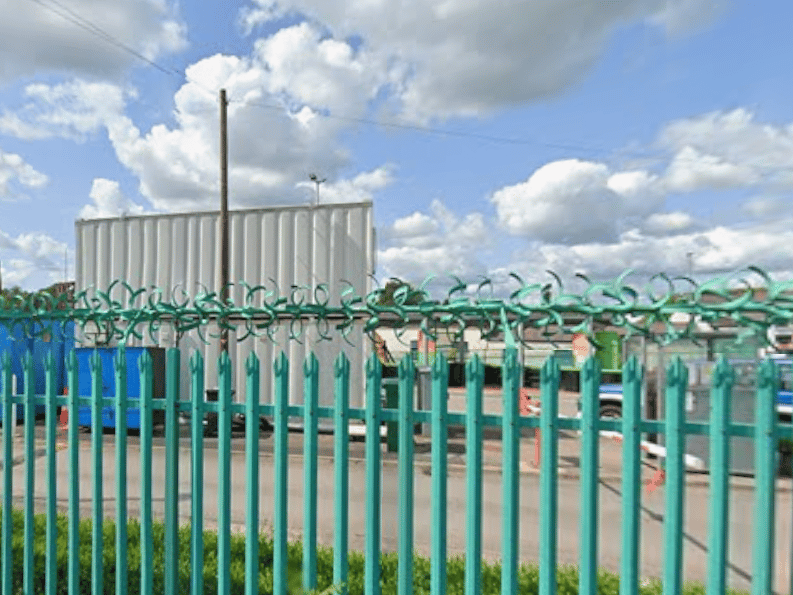
9. Middleton Waste & Recycling Ltd
Rated 4.6 on Google ratings | Google
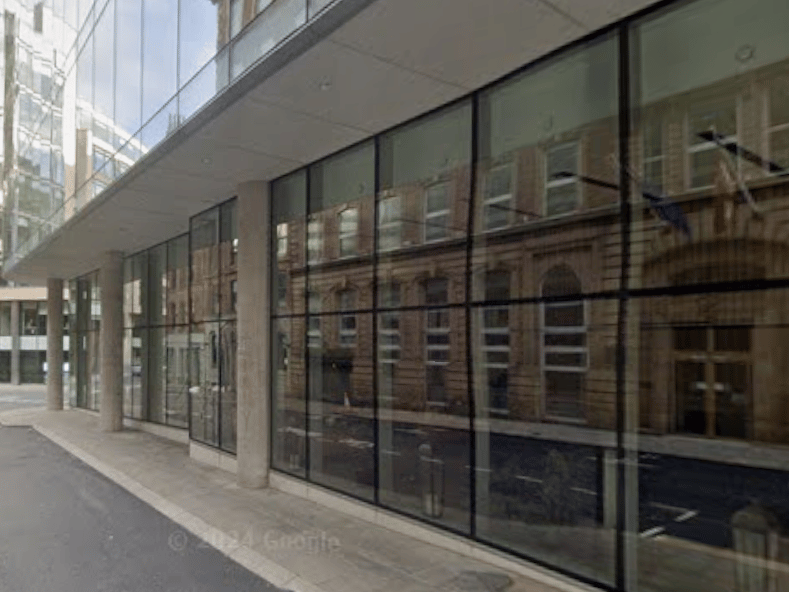
10. Revive IT Recycling (Manchester)
Rated 5 stars on Google ratings | Google
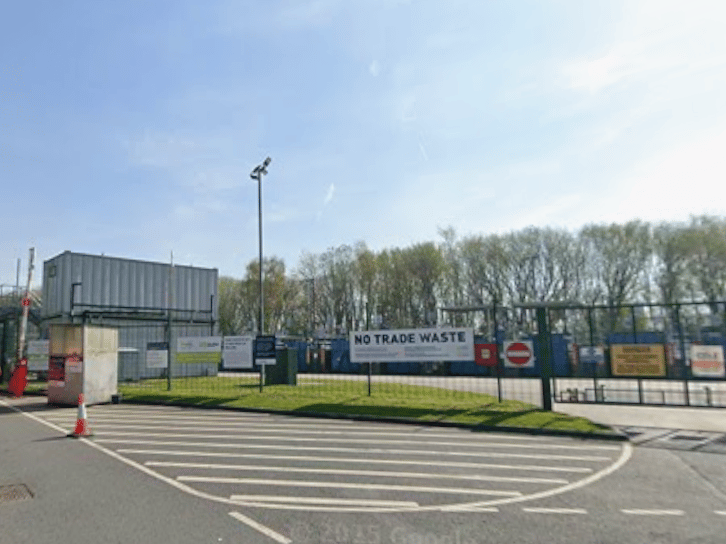
11. Boysnope Wharf Household Waste and Recycling Centre
Rated 4.8 on Google ratings | Google
12. Worldwide Waste Management Ltd
Rated 4.4 on Google ratings | Google