
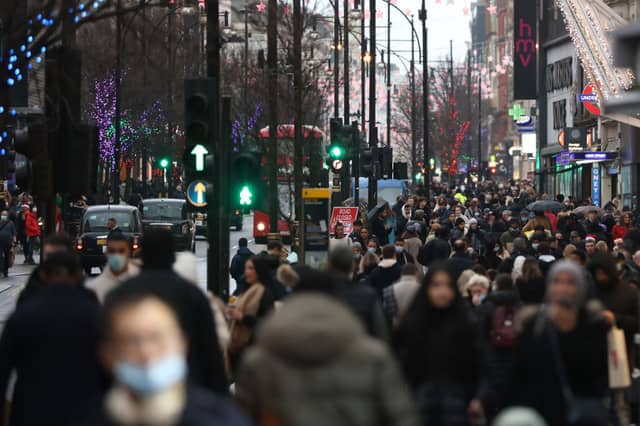


Everyone knows that London is, by far, the country’s largest city, but there has always been some competition between Manchester and Birmingham over who takes the title of second city.
Centre for Cities have released data that could decide once and for all which city can call themselves England’s true second city – at least in terms of population.
They have analysed UK cities by focusing on primary urban areas (PUAs) - a definition created by the Department for Communities and Local Government as a statistical tool for analysing the major cities of England. It captures the built up footprint of a city based on areas of continuous built-up land containing urban structures that are within 50 metres of each other.
London has passed the 10million mark in terms of population, surpassing all other English cities by a mile. So where does that leave us?
Here are the 10 most populated cities in England, starting with London.
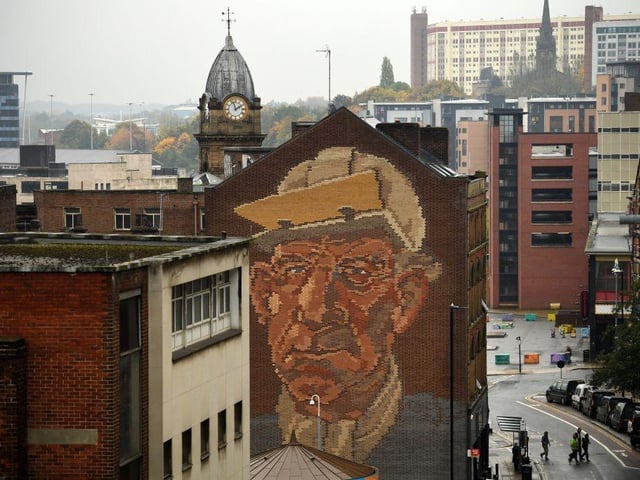
5. Sheffield - 822,300
Sheffield, famed for its steel production and therefore nicknamed the “Steel City,” is the fifth most populated city in England, with 822,300 residents. It is home to the world’s oldest football club, Sheffield F.C. (Photo by Oli SCARFF / AFP) Photo: OLI SCARFF
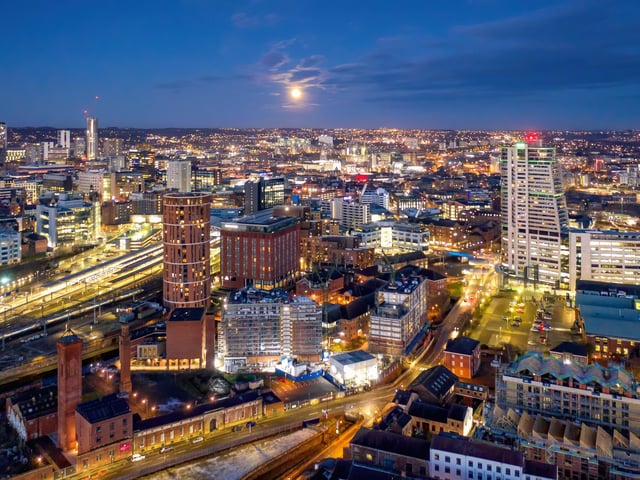
6. Leeds - 812,000
Leeds has the sixth largest population in England with 812,000 residents. It is the largest city in Yorkshire. (Photo: Chris - stock.adobe.com) Photo: Chris - stock.adobe.com
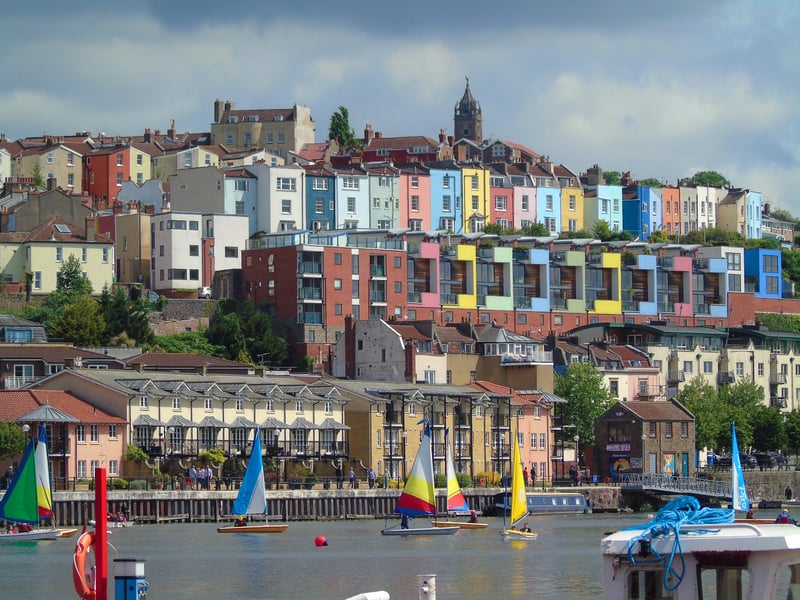
7. Bristol - 762,800
Bristol is the seventh most populated city in Bristol with a population of 762,800. It has a vibrant cultural scene, and is the birthplace of artists of all kinds including Damien Hirst, Banksy, Daniel Day Lewis and Cary Grant, to name but a few. (Photo: SBphotos - stock.adobe.com) | SBphotos - stock.adobe.com
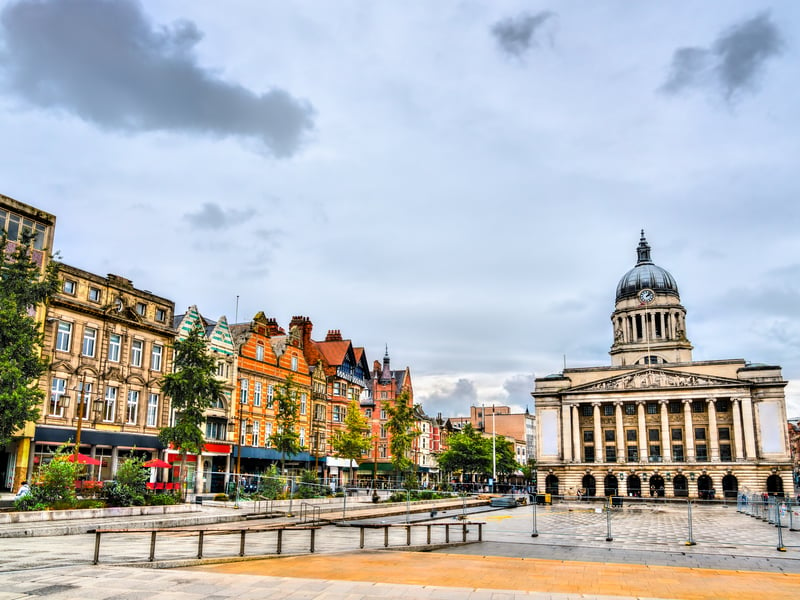
8. Nottingham - 664,800
Nottingham has the eighth highest population in the England with 664,800 residents. It is most well known as the home of the legendary folkloric outlaw Robin Hood.(Photo: Leonid Andronov - stock.adobe.co) | Leonid Andronov - stock.adobe.co