
We're using life saving AI in Manchester to help cancer patients - here's how


Groundbreaking artificial intelligence is saving lives across Manchester and freeing up time for doctors – as the government delivers its 10 Year Health Plan to shift healthcare from analogue to digital.
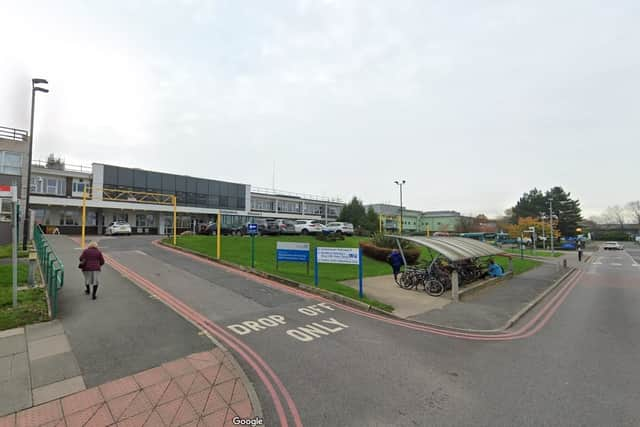
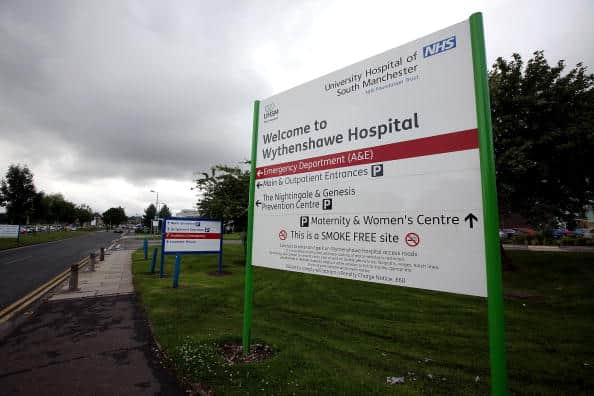
Health Minister Ashley Dalton will visit Wythenshawe Hospital today where staff are now using new technology to support thousands of cancer patients every month.
Clinicians are using a tool – designed by medical technology company Annalise.Ai and backed by the government’s AI Diagnostic Fund – to analyse chest X-Rays and CT scans, some of the most common tools available to diagnose lung cancer.
When the technology identifies potential cases, the information is relayed back to the clinician in under a minute. They can then prioritise high-risk scans, helping to detect or rule out cancer more quickly.
Up to 1,400 CT scans have been avoided thanks to the AI tool along with 1,000 two-week-wait referrals – cutting waiting lists and ensuring patients receive the most appropriate treatment as quickly as possible.
The Plan for Change is already supporting clinicians to use groundbreaking AI tools that bulldoze bureaucracy and take notes to free up staff time and deliver better care to patients.
A world-first AI early warning system is also being developed to automatically identify safety concerns across the NHS, and red tape has been cut to ensure that NHS patients will be the first in Europe to benefit from a ground-breaking, non-invasive liver cancer treatment.
Minister Dalton also saw a new state-of-the-art robotic probe which is helping to speed up the diagnosis and treatment of lung cancer. Wythenshawe Hospital is one of the first in Europe to adopt the revolutionary Ion system.
Currently, starting lung cancer treatment can be difficult given how small some growths can be. Clinicians can monitor them with scans, but patients can be left waiting for months to find out if they have cancer.
The new Ion system uses a small robotic catheter to examine the deepest and hardest to reach areas of the lungs, offering answers much sooner.
Approximately 48,000 people are diagnosed with lung cancer every year in the UK, and the disease leads to around 35,000 deaths each year.
Paula Chadwich, Chief Executive of Roy Castle Lung Cancer Foundation said: “This is an exciting advancement in the diagnosis of lung cancer.”
Adding: “Going through a lung cancer diagnosis is traumatic and waiting for results agonising. The sooner a person can be diagnosed and start on treatment is better – both mentally as well as physically. AI could be the game-changer in the early detection of lung cancer — and in saving lives.”
The 10 Year Health Plan will embrace AI and robotics to personalise care and boost productivity. The government has already rolled out pioneering new technology to ensure that millions of cancer patients can receive a faster diagnosis.
Dr Rhidian Bramley, AI Lead at Greater Manchester Cancer Alliance, and Consultant Radiologist at The Christie, said: “We are excited to have launched this innovative technology across Greater Manchester to support patient care.”
Adding: “This collaboration marks a significant step towards understanding the role of AI in healthcare in the UK and improving outcomes for patients with lung cancer. It will help us streamline the patient journey by allowing us to diagnose cancer more rapidly, meaning patients have a better experience and can begin treatment sooner, leading to better outcomes.”