
Sowing the seeds of success at Star Salford
Budding botanists from Star Salford Academy’s Wildlife Club are harvesting the fruits of their labour, having proudly achieved both the Level 1 and Level 2 Royal Horticultural Society (RHS) School Gardening Awards. Their green-fingered efforts have not only transformed the school’s outdoor spaces but have also deepened their understanding and appreciation of nature and biodiversity.
This blooming success story began when an enthusiastic group of pupils came together with a shared vision – to transform their school grounds into a haven for wildlife. What began as a small project has blossomed into a thriving hive of teamwork and creative vision, with pupils rolling up their sleeves to plant pollinator-friendly flowers, design accessible green spaces and devise ambitious landscape plans. Their aim is not just to grow plants, but to cultivate an understanding of how local habitats and ecosystems function, how they can be protected, and to raise awareness of wildlife decline and the vital role green spaces play in urban environments.
Through their hands-on learning, pupils have also discovered how gardens contribute to wellbeing, using nature as a space for mindfulness and relaxation. The Wildlife Club has provided a valuable space to connect with peers, make new friends and grow in confidence, both in the garden and beyond.
Star Salford’s Wildlife Club has been fortunate to receive grant funding from the National Education Nature Park scheme – a partnership led by the Natural History Museum with the Royal Horticultural Society and commissioned by the Department for Education. The scheme aims to help young people across the country connect with nature, and Star pupils have utilised its resources and activities to get to know their outdoor spaces and put together plans to improve them – ultimately helping them to achieve their RHS School Gardening Awards. Pupils have also recognised the value of linking their school’s green spaces with wider natural areas and community habitats, including those developed by other schools participating in the National Education Nature Park project.
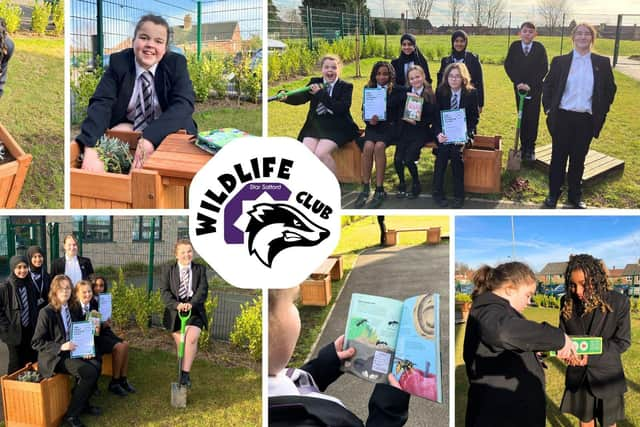

This double award win is just the beginning for Star Salford Academy’s Wildlife Club, with big plans already underway to build bug hotels and other insect habitats. By exploring how the food chain functions on a smaller scale, pupils can begin creating larger habitats that support key species – starting with producers and primary consumers and encouraging the presence of secondary and tertiary consumers over time. Their vision is to develop a thriving, balanced ecosystem right in the heart of their school.