
They open up to me like they can’t with family or their GP
We’ve all over-diagnosed ourselves at one point. Whether it’s thinking that a headache means a brain tumour, or a stomach ache means cancer – Google can be a rabbit hole of worst-case scenarios when it comes to our health. But there’s also the risk that ‘Dr Google’ could lead to under-diagnosis, and with more than half (59%) of us searching for symptoms online before seeing a GP, now is the time to stop.
RedArc Nurse Laura Forman has seen first-hand how dangerous self-diagnosing can be. “I supported a patient who was experiencing stomach cramps and irregular bowel movements. She had looked up her symptoms on Google and was sure she had IBS.
“She bought over-the-counter medication and tried to manage the problem herself. Eventually her bowel movements became more difficult to manage, and she noticed some rectal bleeding, so she went to see her GP. Following various investigations, she was diagnosed with bowel cancer.”
Why do we use the internet to self-diagnose?
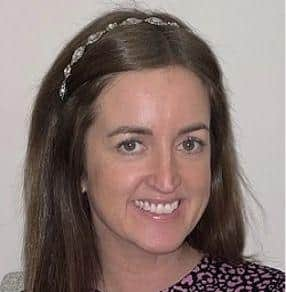

RedArc nurse Aimee Moss says: "Googling symptoms is so tempting. We’re time-poor, GP appointments can be hard to get, and people don’t always want to ‘bother’ their doctor. But it’s important we learn that it’s not wasting anyone’s time to check in on your health. No matter how small something seems, if it’s worrying you – that’s enough reason.”
Laura adds: “Relying on Google for healthcare advice can lead to misdiagnosis and delayed treatment. This could potentially lead to irreversible physical problems if the condition is very serious – for example a heart attack or stroke.”
So, even when Google reassures you that there’s nothing to worry about, it’s always better to get any health concerns checked by a medical professional.
Why talking makes all the difference

“Often, older people don’t see their struggles as ‘valid’ or ‘serious enough’ to warrant professional help,” says Aimee. “That’s where services like RedArc come in, offering a safe, confidential space to talk without judgement.”
Nurses like Laura and Aimee are there to offer guidance, support and someone to talk to when patients don’t know where to turn - a positive alternative to the internet.
“Having a health concern can be a worrying time,” says Laura, “and having professional support on hand can help people to feel less anxious and isolated, which will lead to improved physical and psychological wellbeing.”
And it’s not just physical health problems that RedArc nurses provide vital support for. Mental heath is another area where too many suffer in silence, particularly older generations.
According to RedArc, nearly a third (29%) of their patients seeking mental health support are over 50, an age group often underrepresented in mental health campaigns. The data, released to mark RedArc’s new partnership with over-50s specialist SunLife, highlights the support gap facing older adults when it comes to emotional wellbeing.
Mark Screeton, CEO of SunLife, added: “Too often, older people are overlooked when it comes to emotional and mental health support. At SunLife, we’re committed to challenging that by providing real, practical help through trusted partners like RedArc – ensuring no one feels they have to face life’s challenges alone.”
“I could say things to her I couldn’t say to anyone else”
One of Laura’s patients was a young woman undergoing cancer treatment. “She liked to talk about her future and the things she would do once her treatment ended. She also sent me regular lengthy emails expressing her feelings and worries.”
Patients often confide in RedArc nurses in ways they don’t with others. “I hear a lot from patients that they find it easier to talk to me than their close friends and family, as they can talk about anything without any feelings of embarrassment or the worry of ‘burdening’ them,” says Laura. “Patients find it a lot easier to talk to somebody they do not know and will never see face to face.”
It’s not just about the body – it’s about the whole person
“It is vital to use a holistic approach when supporting patients,” says Laura. “Clinical support is very important, however physical problems often cause emotional issues, and it is important to look at the person as a whole and ensure both physical and psychological needs are met.”
And the danger of bottling up concerns? “When people keep their feelings inside and don’t use the support around them, they can start to feel isolated, alone and it can potentially impact relationships with loved ones,” she continues. “Locked up feelings can become overwhelming and lead to anxiety, panic and other mental health problems.”
So, perhaps it’s time to stop Googling, and talk to someone who’s trained to help.