
There's a large increase in poorly cats at RSPCA Manchester - here's why

The RSPCA has said that there has been a large increase in unwell cats brought in due to them being unvaccinated and neglected.
The charity based in Salford said: “Since the start of the year they have seen more animals coming into their care with infectious diseases than ever before.”
This follows a PDSA PAW Report 2024, which found only “65% of cats in the UK receive regular booster vaccinations,” Lack of vaccinations along with poor husbandry, means that more cats are suffering with with infectious diseases and putting a massive strain on rescue charities.
Susie Hughes, RSPCA Manchester & Salford Branch Manager, said: “We are sadly seeing a real increase in these unwell cats coming into our care with infectious diseases.“ This is putting a huge strain on our resources and very sadly, these poor animals cannot always be saved. We would urge owners to do their bit to help - by vaccinating their cats and ensuring they receive regular, timely boosters to prevent these unnecessary illnesses. “Good husbandry and care can also help to prevent the spread of diseases, particularly in multi-cat households where feline illnesses can spread so readily.”
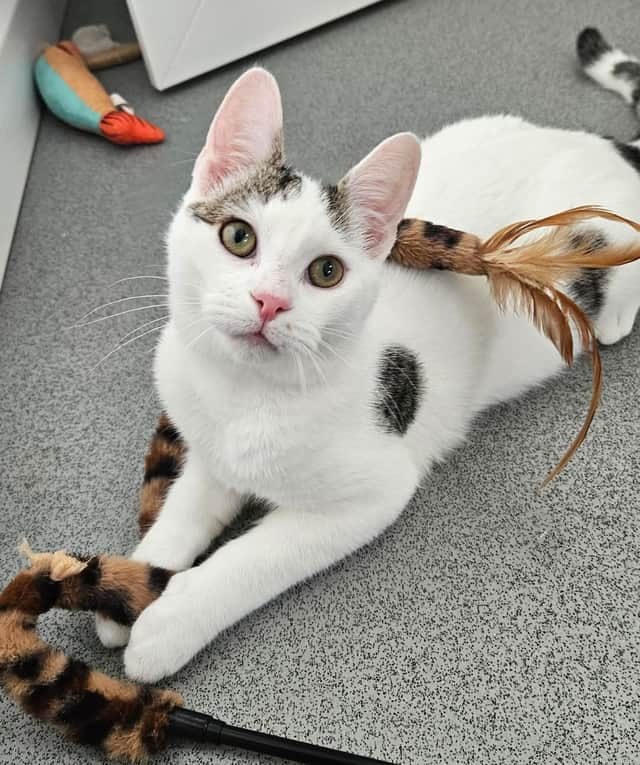

The RSPCA said: “Ginola (pictured above) and his littermates were suffering from a severe case of calicivirus and his littermates were so poorly they sadly had to be put to sleep to end their suffering. The calicivirus vaccine can be given to kittens between six and eight weeks old and had Ginola’s littermates received this vaccine, they would have likely survived.”
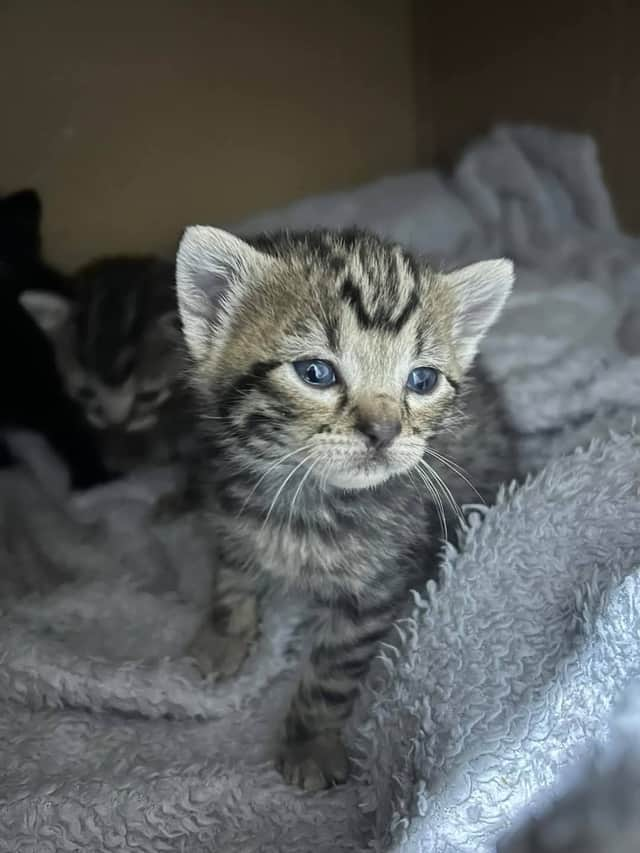
Another case is that of stray Gilda who gave birth to a litter of Kittens (kitten pictured above) but it soon became apparent that she was suffering with gastrointestinal issues and it was clear that the family had parvovirus and sadly died. The parvovirus vaccine is usually given from 8 weeks old and very effective.
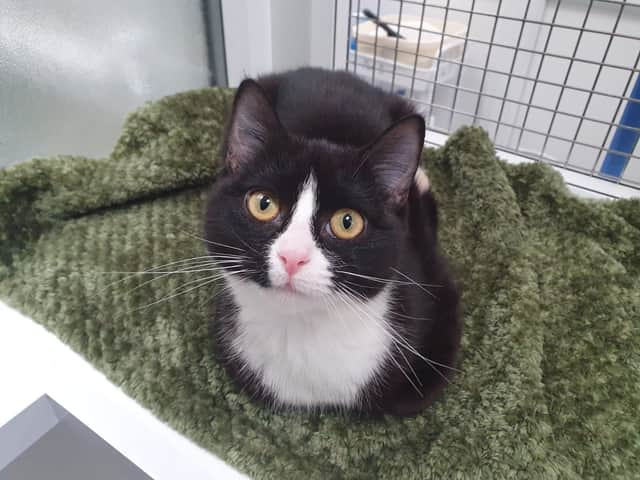
Kaya, an 11-month-old kitten, was rescued by the RSPCA from a house with multiple animals in Huddersfield and was suffering from Giardia.
The RSPCA said: “Giardia is a contagious parasite which is spread as a result of an unhygienic environment often with multiple animals and poor cleaning. Sadly, she did not receive preventative care and became very poorly but thanks to the care and attention of the branch she miraculously pulled through.”
Kaya is now looking for her forever home.
Susie said: “It’s the best part of the job to see a cat like Kaya, who was in such a sorry state when she arrived with us, blossom and become healthy and happy and ready for her new home.
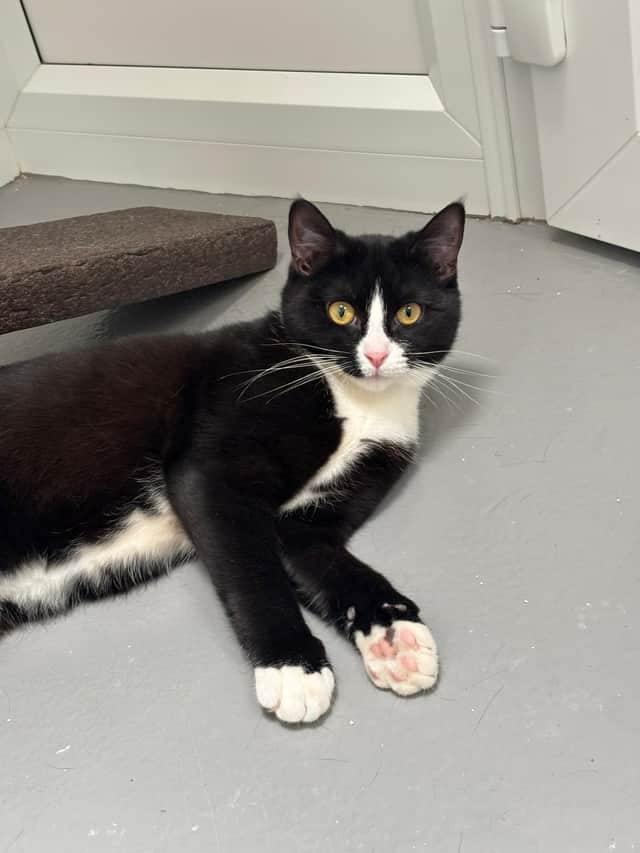
Adding: “Kaya is an active girl but she is also super affectionate. Due to her energy levels we think Kaya would be best suited to a home where any children are cat-savvy and primary school aged and above. Kaya has been neutered, vaccinated and microchipped. She will need safe ground floor access to safely play outdoors once she has settled in. She is also currently on a specialist diet to keep her sensitive digestive system in tip top shape after suffering from Giardia. She will likely need to stay on this for a while before other foods can potentially be introduced but our team will provide advice and support in this.”
If you think you can give Kaya her forever home, visit the Branch website.
For more information on the importance of vaccinations visit the RSPCA website.