
Ownership Over Access: How a Quiet Shift in the Music Supply Chain Is Changing Platform Strategies
Why Platforms, Apps, and Agencies Are Moving from Licensed Tracks to Fully Owned Music in the Race for Creative Control and Brand Differentiation
As digital platforms race to meet the demand for personalized, scalable content, one component of the creative process has quietly undergone a significant transformation: the music supply chain.
While royalty-free tracks and licensing agreements once dominated the audio backdrop of digital media, many platforms are now moving away from renting music to outright owning it — a shift that is quietly reshaping how apps, agencies, and content creators source sound.
At the center of this shift is a growing sector of backend music providers that operate behind the scenes — not to entertain consumers, but to build fully owned audio libraries for the platforms that do.
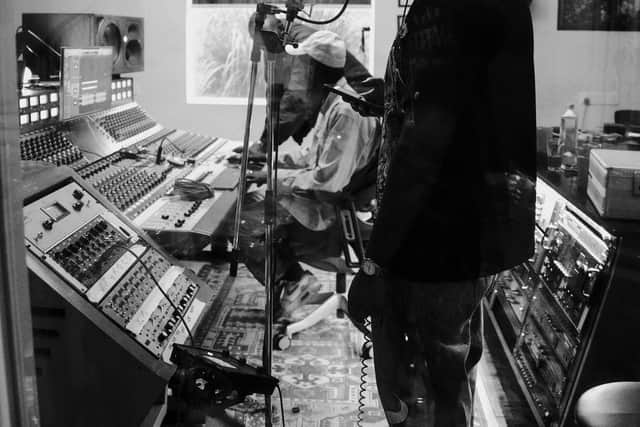

From Stock Audio to Strategic Assets
In an era dominated by streaming, mobile apps, and algorithmically personalized content, the role of audio has evolved far beyond background filler. Companies increasingly view music not just as a licensing obligation, but as a creative asset — something to be branded, integrated, and scaled.
This has given rise to a lesser-known corner of the music industry: bespoke music production firms that operate exclusively in the B2B space, offering original, rights-transferred compositions tailor-made for platform integration.
One of the firms helping to drive this transformation is Forte Antique, a global music production brand that specializes in producing made-to-order tracks across genres, moods, and themes. While not a household name, the company has become a go-to partner for content-driven platforms looking for total ownership of their audio catalogs.
Why Ownership Matters More Than Ever
In the past, royalty-free models offered speed and flexibility — but they also introduced limitations. Track overlap, ambiguous usage rights, and the inability to rebrand or resell music have led many platforms to seek alternative models. By owning music outright, companies eliminate legal gray areas and gain complete creative control over how sound is used, modified, or distributed.
"It's the difference between renting a soundtrack and building a sonic identity," said one digital strategist familiar with backend suppliers. "For platforms competing on content uniqueness, ownership equals differentiation."
Building Music Infrastructure, Not Just Playlists
The model now gaining traction isn't about single-track purchases or licensing libraries. It's about bulk, brandable, and rights-cleared audio delivered at scale. Backend providers like Forte Antique offer genre-based collections, white-label music packs, and even UX sound kits — all designed for integration into products, campaigns, or platforms without additional clearance.
Clients range from global media distributors and mobile app developers to royalty-free music companies seeking to expand their exclusive offerings. Each track is custom-built and delivered in multiple formats (including WAV, MP3, and optional STEMS), ready for use in video content, branded campaigns, or interactive experiences.
Industry Implications: What’s Next for Audio Strategy
The growth of this model coincides with several broader trends:
- The rise of short-form, platform-native content (e.g., TikTok, Reels, YouTube Shorts), which demands quick-turnaround audio with no licensing friction.
- A renewed focus on sonic branding as companies seek to own every aspect of their brand experience — including how it sounds.
- Pressure on agencies to deliver exclusive, high-quality assets under tighter timelines and clearer terms.
With 14 primary genres and the ability to create entire music libraries from scratch, companies like Forte Antique are positioning themselves not as service providers, but as creative infrastructure — invisible, scalable, and strategic.
The Future Is Quiet — But Owned
While the most visible layers of the music industry remain focused on chart-topping artists and consumer-facing platforms, the quiet evolution of backend composition may prove just as consequential for the future of sound.
As more platforms and production companies seek clarity, scalability, and competitive edge in their audio strategy, the shift from music licensing to music ownership is poised to become not just a trend — but a new standard.