
Manchester Hospitals: FOI reveals surge in elderly fall-related ambulance drop-offs
New data has revealed that a total of 4,488 elderly individuals (65+) required ambulance drop-off at Manchester University NHS Foundation Trust following a fall in 2023 and 2024, underlining the ongoing need to address fall-related incidents among older adults.
Figures obtained through a Freedom of Information (FOI) request by Access BDD, specialists in stairlifts and home lift solutions, show that 1,350 ambulance drop-offs took place in 2023, rising to 3,138 in 2024. The highest volume of incidents occurred in November 2024, with 318 cases, while June 2023 also recorded a notable 11 drop-offs.
Gender-based analysis indicates that male represented a larger proportion of the total incidents, with 3,536 cases recorded, compared to 2,720 involving women.
Age-based analysis shows that those aged 85 and over accounted for the highest number of cases, totalling 1,977. The 75–84 age group followed with 1,616 incidents, while the 65–74 bracket saw 895 fall-related drop-offs.
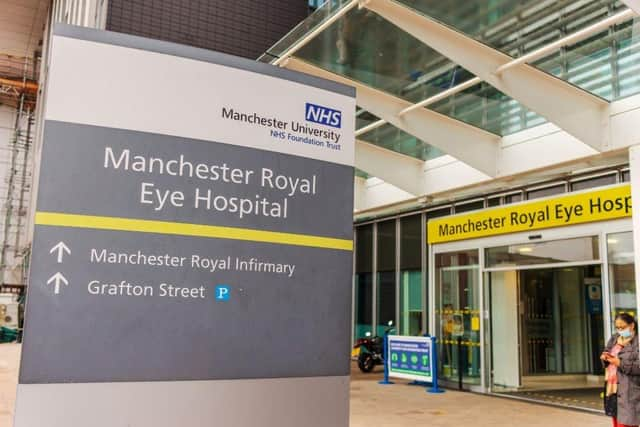

Weekday data revealed that fall-related incidents were most common on Thursdays (663), Saturday (662), and Wednesday (649), showing a relatively even spread across the week.
Hourly analysis indicates that the most frequent time for ambulance drop-offs was 17:00, with 299 incidents recorded, followed by 11:00 (297) and 10:00 (274.
Bethany Ward Marketing Specialist at Access BDD, commented: "The rising number of fall-related incidents requiring hospital transport highlights the urgent need to improve home safety, particularly for older adults. Our research shows that the majority of these incidents take place within the home, and so it’s clear that more must be done to prevent accidents that are often avoidable. Adaptations such as stairlifts and handrails can make a big difference in reducing the risk of falls, and they help create a home environment that lets individuals maintain independence whilst staying safe.
"As the population becomes older and fall-related injuries continue to rise, these latest figures really show why proactive home adaptations should be a priority for families, carers, and policymakers."