
A childhood of grit, imagination, and grass-stained glory
I remember the days of endless afternoons after school, when a simple bicycle ride down the neighbourhood street connected us with our mates. In the 1970s and 80s, football culture wasn’t dictated by high-definition replays—it was built on the joy of an impromptu match, the crackle of excitement as I poured over Shoot and Match Weekly, the magazines my dad bought for me, dissecting every detail from Peter Shilton’s favourite meal to match previews that fuelled endless discussions.
Football on TV; was limited to the weekend, Match of the Day, and The Big Match. The rest of the time my ear was glued to Radio 2, as it was in them days.
We didn’t just consume football—we lived it, breathed it, and shaped our own versions of the beautiful game. We invented leagues from nothing, setting up Subbuteo tournaments in our bedrooms, imagining grand finals that only existed in our minds. I even devised my own version of card football, a game that kept me amused for hours, flicking players across a table top battlefield. Dice football became another obsession—odds sent the ball toward the window end, evens drove the attack toward the kitchen door, adding a layer of suspense rivalled only by a real match. And then there was tiddly wink football, where strategy met pure chance, and the rules evolved with every flick.
The joy wasn’t just in playing—it was in collecting. The thrill of swapping Topps football cards in the playground, the excitement of filling a Panini sticker, flipping through the once blank spaces now filled after months of haggling and hard work. “Got, got, need, need” wasn’t just a phrase; it was a ritual, a way to connect, negotiate, and feel the pulse of football culture in the smallest interactions. And, of course, there was the beauty of calling for mates on the off chance that a kickabout would happen. No scheduled meet-ups, no digital messaging—just knocking on a door and hoping someone would be up for a game.
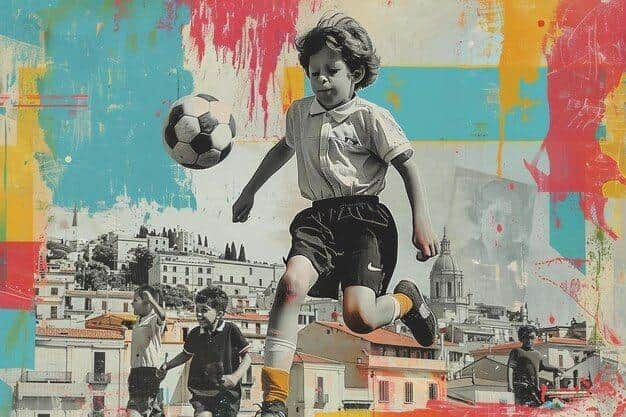

Fast forward to today, and the landscape of childhood fandom has transformed beyond recognition. Youngsters now navigate a universe crowded with countless channels, endless streams of digital content, and algorithmically curated feeds. Gone are the days of creating games on cracked pavements—replaced instead by polished, hyper-designed virtual experiences on screens. Where we once relied on imagination and ingenuity, modern fandom often unfolds in pixels rather than on grass.
What happens when the simple act of calling for mates on the off chance, flicking Subbuteo players, or swapping stickers in person is supplanted by digital badges, virtual achievements, and algorithm-driven experiences? Are today’s young fans missing out on the formative joy of tactile play, and if so, what does that signify for their emotional and communal development?
These contrasts beg deeper questions. If our childhoods were defined by face-to-face camaraderie and the challenge of crafting a game from nothing, what dimensions of play and learning are being lost in today’s wired world? In an era of endless content, how do we assess the quality and impact of what displaces genuine, physical interactions?
Looking ahead another 40 or 50 years, what will childhood fandom look like? Will kids be engrossed in hyper-real virtual realities, trading digital collectibles that may one day seem as quaint as our Panini sticker books? Or will there be a counter-movement—a resurgence of unplugged play, a return to something more tactile, physical, and unfiltered?
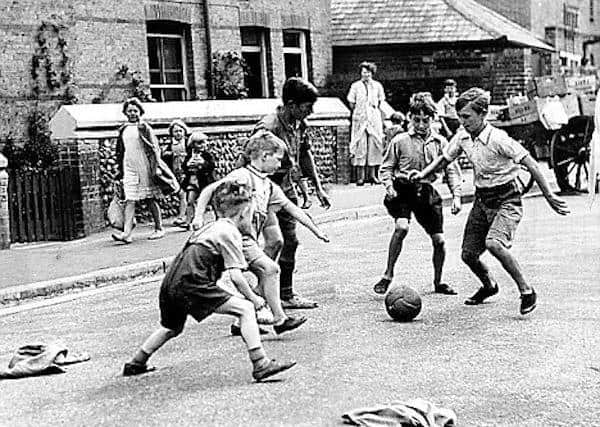
Important Questions for the Future of Play:
- What role will physical interaction have in an increasingly digital landscape?
- How will the evolution of collectible culture impact community and identity?
- Can future technology replicate the serendipitous excitement of a game invented on the spot, in a dusty field with nothing but passion and imagination?
- Will the nostalgia for analog play drive new generations to seek experiences beyond the screen?
While technology has expanded convenience, global connectivity, and access to content, it risks diluting the raw human connection that defined childhood football culture. The challenge for future generations—and for society as a whole—will be to balance these digital wonders with the kind of unfiltered, imaginative play that taught us about community, perseverance, and joy.
Perhaps, decades from now, kids will look back on their own experiences with the same bittersweet nostalgia we now reserve for our bygone days of leather balls, bike brakes, and the magic of Striker on Christmas morning. Or maybe, just maybe, they will rediscover the art of unplugged moments, reinventing them in ways that merge the tangible with the virtual.
Either way, the conversation must continue, so that the essence of childhood—a timeless mix of curiosity, connection, and playful ingenuity—remains intact even as the world around it changes.