
82% of disabled people in the North West of England want to be more active according to new report
Comprehensive new analysis by national charity Activity Alliance has revealed regional and demographic disparities in disabled people’s experiences with sport and physical activity across England.
New findings from the leading voice for disabled people in sports and activity have shown that only half (51%) of disabled people across the country feel they have the opportunity to be active. It reveals a particularly sharp divide for those living with mental health problems, who are even less likely to feel they have access to sport and physical activity.
Yet the desire is clearly present, with 80% of disabled respondents expressing a wish to be more active, with this figure rising to 82% in the North West of England. Enjoyment also remains high, with nearly 7 in 10 (69%) saying they enjoyed their last physical activity experience. Yorkshire and the Humber stood out, with 75% of disabled people there reporting a positive experience.
Between 2019 and 2024 the Annual Disability and Activity Survey, surveyed over 10,000 people, including 5,113 disabled and 5,298 non-disabled respondents. Those yearly reports highlight significant variations in participation, enjoyment, and representation based on region, gender, age, sexual orientation, and type of impairment.
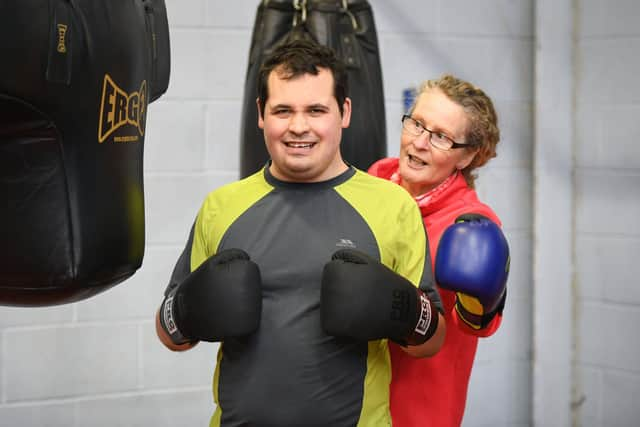

Drawing on five years of data, Annual Disability and Activity Survey: Secondary Analysis provides vital insights into the barriers disabled people face when it comes to being active. Two reports explore regional differences in disabled people’s lived experiences of being physically active and demographic influences on sport and physical activity.
“Inequality in access to and participation in physical activity for disabled people and those with long-term health conditions is a well-recognised issue across the sector,” said Rose Fawcett, a research consultant, who was a key figure in producing the two reports.
“This project provided an important opportunity to explore those inequalities in greater depth. By revisiting their extensive ADAS data through a fresh lens, Activity Alliance posed new research questions and uncovered valuable insights.
“For example, the analysis highlighted regional disparities in disabled people’s enjoyment of physical activity, and identified specific types of impairments most commonly linked to limited opportunities. These findings offer organisations a clearer understanding of the barriers faced, helping to inform more inclusive and accessible practices.
“Crucially, this work demonstrates that there is still much to uncover—both within ADAS and other data sources.”
Key findings include the confirmation that health and social care professionals are the most trusted source of advice, with 79% of disabled people relying on them for guidance about being active. However, the channels through which information is accessed are changing. The internet is now the most common source of information, used by 53% of disabled respondents.
Interestingly, disabled people who enjoy being active are significantly more likely to seek out online information than those who do not.
The release also highlights worrying trends in representation. Disabled people who are older, LGBT+, female, or from lower socio-economic backgrounds are less likely to see themselves as participants, workers, or volunteers in sport.
Only a small percentage of disabled people aged 65+ or disabled women envision themselves working in or volunteering for sport and physical activity. In contrast, ethnically diverse disabled people are more likely than their white counterparts to see themselves in such roles, and younger disabled people (aged 16–34) are the most likely to see themselves volunteering.
“Disabled people’s experiences of sport and activity differ greatly depending on where they live and who they are,” said Jake Netherway, from Activity Alliance.
“Our goal is to use this data to ensure no one is left behind. Everyone deserves the chance to be active in a way that suits them. We would encourage organisations across the country to use these findings as a guide to conducting their own research. If you truly understand the barriers that disabled people experience, it is much easier to put in place measures to offer accessible and inclusive opportunities.”