
3 Greater Manchester boroughs named in top 10 worst UK areas for fly-tipping

Fly-tipping has quietly become one of England’s most persistent environmental headaches.
From dumped sofas and broken appliances to bags of household waste abandoned on country lanes, the scale of illegal dumping is growing year on year, placing huge pressure on local councils, blighting communities, and costing taxpayers millions to clean up. What was once seen as an occasional nuisance has now become a deeply entrenched problem in many parts of the country.
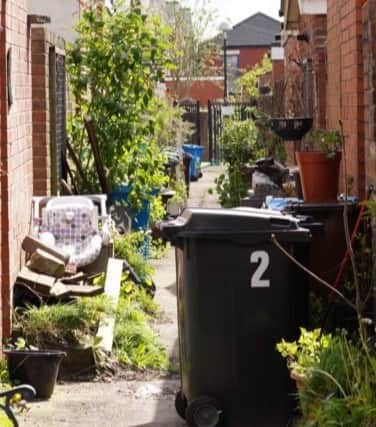

Experts say the issue is being driven by a mix of rising disposal costs, confusion around waste rules, and a lack of enforcement that allows repeat offenders to act with little fear of consequences. While councils struggle with shrinking budgets and overstretched enforcement teams, fly-tipping hotspots are emerging in both rural beauty spots and post-industrial towns, revealing stark regional inequalities in how waste crime is tackled.
A new study by the research team at cartridgesave.co.uk has revealed which English cities are experiencing the highest levels of fly-tipping when measured against population size, shedding light on where the problem is most severe.
Durham ranks as the worst area in the study, recording 1,129 fly-tipping incidents per 10,000 people. Despite its reputation for historic charm and access to beautiful countryside, the city has become a prime target for illegal dumping, particularly in rural lanes and less-monitored outskirts where offenders believe they won’t be caught.
Three Greater Manchester boroughs were also mentioned in the top 10:
- Rochdale with 561 incidents per 10K people
- Salford with 555 incidents per 10K people
- Oldham with 533 incidents per 10K people
Ian Cowley, recycling expert at Cartridge Save, said: “What’s really worrying is that fly-tipping has become normalised in certain parts of England. People see dumped waste and assume it’s acceptable, or that someone else will deal with it. At the same time, rising disposal costs and rogue waste carriers are making it easier for household rubbish to end up on roadsides instead of at licensed facilities.”
He continued: “Without meaningful penalties and consistent checks on waste carriers, the same offenders will keep dumping illegally. Councils need better funding for enforcement, clearer communication on legal disposal options, and tougher action against unlicensed operators. Until that happens, fly-tipping will remain cheaper and easier than doing the right thing.”
Adding: “Households should always check that a waste carrier is licensed. If your rubbish is dumped illegally, you can still be held responsible. Tackling fly-tipping requires accountability at every level, from government policy down to individual decisions.”